
Sponsored
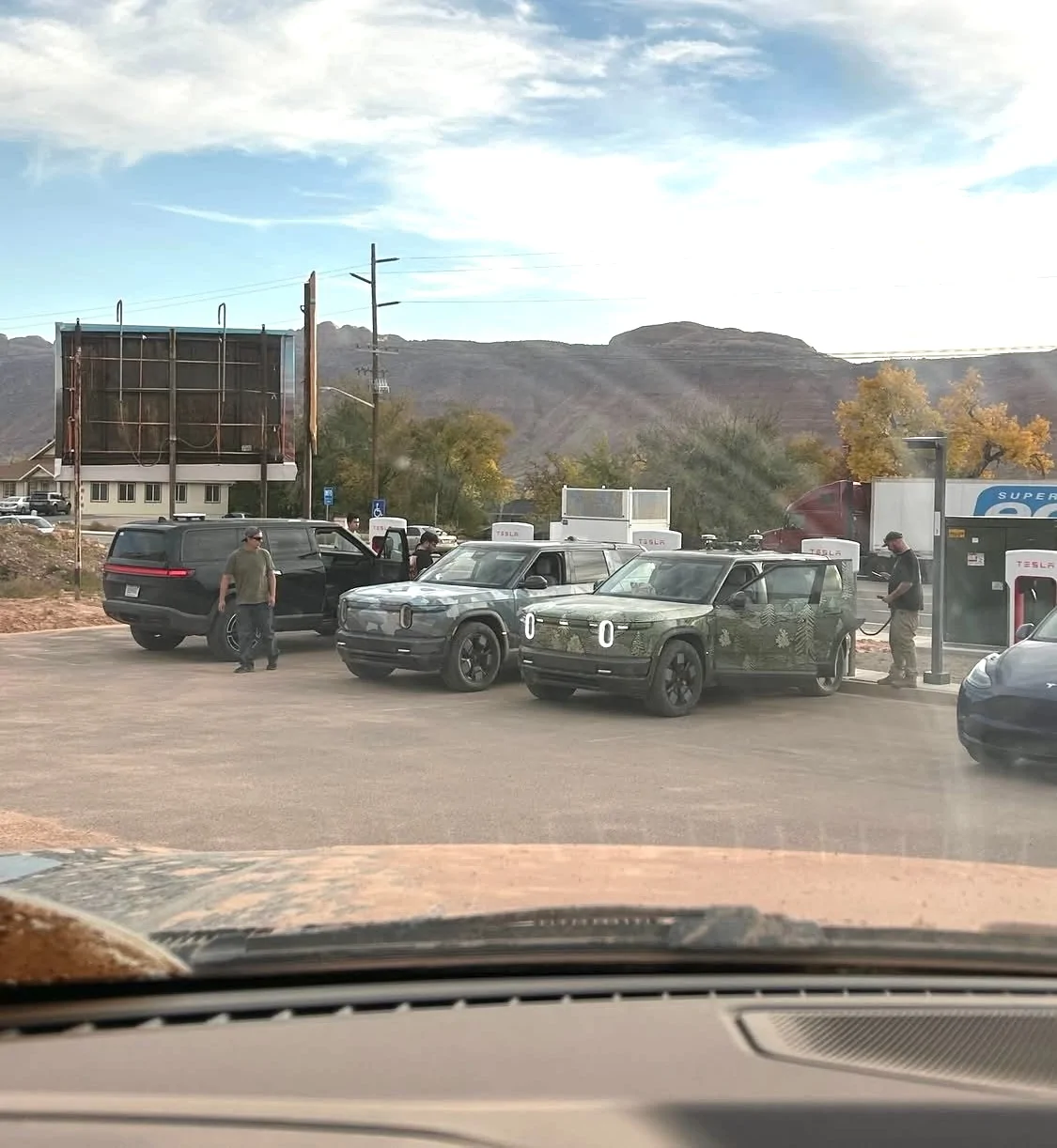
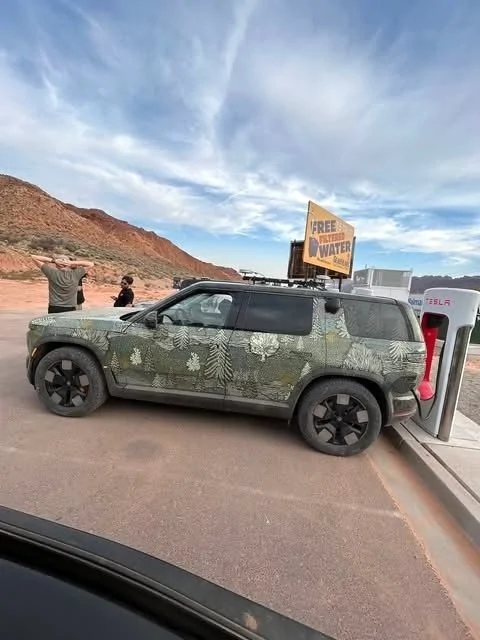
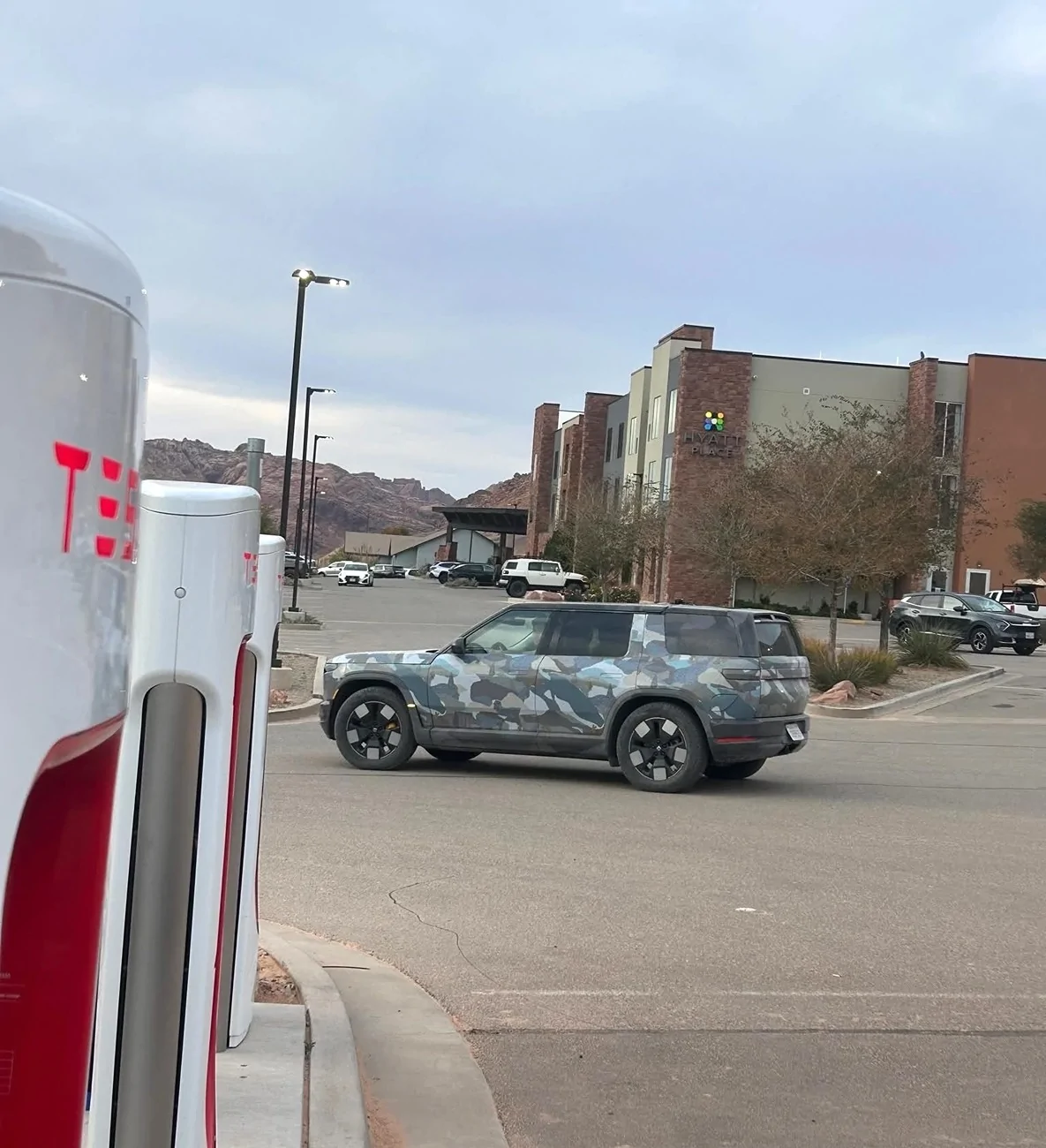
R2 prototypes spotted in Moab, charging at Tesla supercharger


Joules Burn
Well-Known Member
- First Name
- Morris
- Joined
- Nov 7, 2023
- Threads
- 16
- Messages
- 359
- Reaction score
- 803
- Location
- California
- Vehicles
- 2026 R1S, 2022 Kia EV6 GT-L FE
- Occupation
- Retired Electronics
No desert camo? Not many trees about.
TTedP
Well-Known Member
Cool! They look great.
One interesting quirk is the charger door. Traditionally the shape of a fuel door follows the body lines (similar direction or at least neutral). In this case it's a sharp angle to the right, away from the rest of the lines of the rear.
The geek in me would have to go look in the window and see what sort of test gear they're using.
One interesting quirk is the charger door. Traditionally the shape of a fuel door follows the body lines (similar direction or at least neutral). In this case it's a sharp angle to the right, away from the rest of the lines of the rear.
The geek in me would have to go look in the window and see what sort of test gear they're using.

kurtlikevonnegut
Well-Known Member
Wish they could have gotten a picture of the display showing charging speed
BigSkies
Well-Known Member
That's a damn good looking car.
I'm not looking for a new car in the next few years, but the R2 or R3 will be at the top of my list when it's time to say goodbye to the Tesla.
I'll still gripe about charge-door placement (passenger front is the most logical), but that's pretty minor in the grand scheme of things.
These pictures are also getting me excited about a Moab camping trip I have planned next spring.
I'm not looking for a new car in the next few years, but the R2 or R3 will be at the top of my list when it's time to say goodbye to the Tesla.
I'll still gripe about charge-door placement (passenger front is the most logical), but that's pretty minor in the grand scheme of things.
These pictures are also getting me excited about a Moab camping trip I have planned next spring.
Sponsored
9527
Well-Known Member
- Joined
- Sep 22, 2021
- Threads
- 12
- Messages
- 236
- Reaction score
- 295
- Location
- Chicagoland
- Vehicles
- Lucid Air, Tesla Model Y
Beautiful vehicles in a beautiful place!
SanCarlosJeff
Member
Totally agree. Passenger front is most compatible with existing Superchargers and also works for curbside charging (in countries with LHD), seems like that location should be a priority for most/all EV makers.That's a damn good looking car.
I'm not looking for a new car in the next few years, but the R2 or R3 will be at the top of my list when it's time to say goodbye to the Tesla.
I'll still gripe about charge-door placement (passenger front is the most logical), but that's pretty minor in the grand scheme of things.
These pictures are also getting me excited about a Moab camping trip I have planned next spring.
My Mach E has drivers side front fender, and while I can see the reasoning for that location (near where you get out of the car) it's a PITA on non-V4 Superchargers.

VandalSibs
Well-Known Member
- First Name
- Andrew
- Joined
- Dec 27, 2023
- Threads
- 15
- Messages
- 1,376
- Reaction score
- 2,382
- Location
- Eastern Washington State
- Website
- www.sibulskymusic.com
- Vehicles
- R1T Dual Motor Large Pack
- Occupation
- Composer, IT Service Desk Analyst
I like the idea of passenger-front charge ports for curbside charging........ but how many curbside charging stations are there in the US?

TollKeeper
Well-Known Member
- First Name
- Brian
- Joined
- Feb 1, 2022
- Threads
- 12
- Messages
- 1,437
- Reaction score
- 1,447
- Location
- Brighton, CO
- Vehicles
- 24 Rivian R1S, 04 GMC Envoy XUV, 12 Toyota Sienna
- Occupation
- Ast HR Director
I really do like those Chonkey Wheels..
BigSkies
Well-Known Member
Very few today, but there will probably be more in the coming years. I've stopped at a few curbside chargers in Kansas City.I like the idea of passenger-front charge ports for curbside charging........ but how many curbside charging stations are there in the US?
The front-end also allows for chargers in diagonal parking stalls. Those are fairly common, and you don't back into those.
Sponsored
AlphaSnowbordergirl
Well-Known Member
You say that as I walk past two curb side chargers next to my work building lol.I like the idea of passenger-front charge ports for curbside charging........ but how many curbside charging stations are there in the US?
Dark-Fx
Well-Known Member
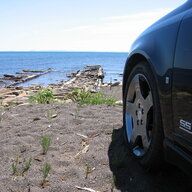
Pack has 768 cells split across three modules. Only way to configure this less than 500V per module means 8s32p to hit the 256 cells per module. Max charging voltage at 4.2V per cell means it's 403.2V max. 403.2V * 500A is 201.6kW, but charge rates never really hit the max voltage here, so I'm guessing it's probably more like 180kW max charging. Which, with higher efficiency, probably fairly close to R1 at a percentage or mileage based rate.Wish they could have gotten a picture of the display showing charging speed
KootenayEV
Well-Known Member
- First Name
- Andrew
- Joined
- Sep 22, 2021
- Threads
- 28
- Messages
- 614
- Reaction score
- 589
- Location
- Nelson, BC
- Vehicles
- R1T, Tesla Model 3
- Occupation
- Environmental Engineer
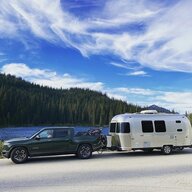
Thanks for those numbers. Wonder why they did this? One of the things I like about our R1's is the higher voltage for a "400V" pack. More kW on amperage constrained chargers (which is mostly what I find in the wild).Pack has 768 cells split across three modules. Only way to configure this less than 500V per module means 8s32p to hit the 256 cells per module. Max charging voltage at 4.2V per cell means it's 403.2V max. 403.2V * 500A is 201.6kW, but charge rates never really hit the max voltage here, so I'm guessing it's probably more like 180kW max charging. Which, with higher efficiency, probably fairly close to R1 at a percentage or mileage based rate.
kurtlikevonnegut
Well-Known Member
Oof....that's like VW speeds.Pack has 768 cells split across three modules. Only way to configure this less than 500V per module means 8s32p to hit the 256 cells per module. Max charging voltage at 4.2V per cell means it's 403.2V max. 403.2V * 500A is 201.6kW, but charge rates never really hit the max voltage here, so I'm guessing it's probably more like 180kW max charging. Which, with higher efficiency, probably fairly close to R1 at a percentage or mileage based rate.
Dark-Fx
Well-Known Member
I really don't know anything about how the 4695 cells profile. And there's a non-zero chance they can push more than 500A into the pack. Considering NACS is supposed to support up to 1000A, it could be faster. Or at the very least, they have a little room to grow.Oof....that's like VW speeds.
I do know Tesla is struggling with extended charging times with their version of this battery size.
Sponsored
Similar threads

- Replies
- 22
- Views
- 3,940

- Replies
- 193
- Views
- 14,116

- Replies
- 21
- Views
- 3,393


- Replies
- 1,027
- Views
- 127,599