Sponsored

I aired down, and my efficiency went UP (in sand)

JeremyP

Well-Known Member
Joined
Feb 27, 2021
Threads
12
Messages
382
Reaction score
701
Location
Grand Junction, CO
Vehicles
Toyota 4runner, BMW I3, preordered R1S
Occupation
Engineer
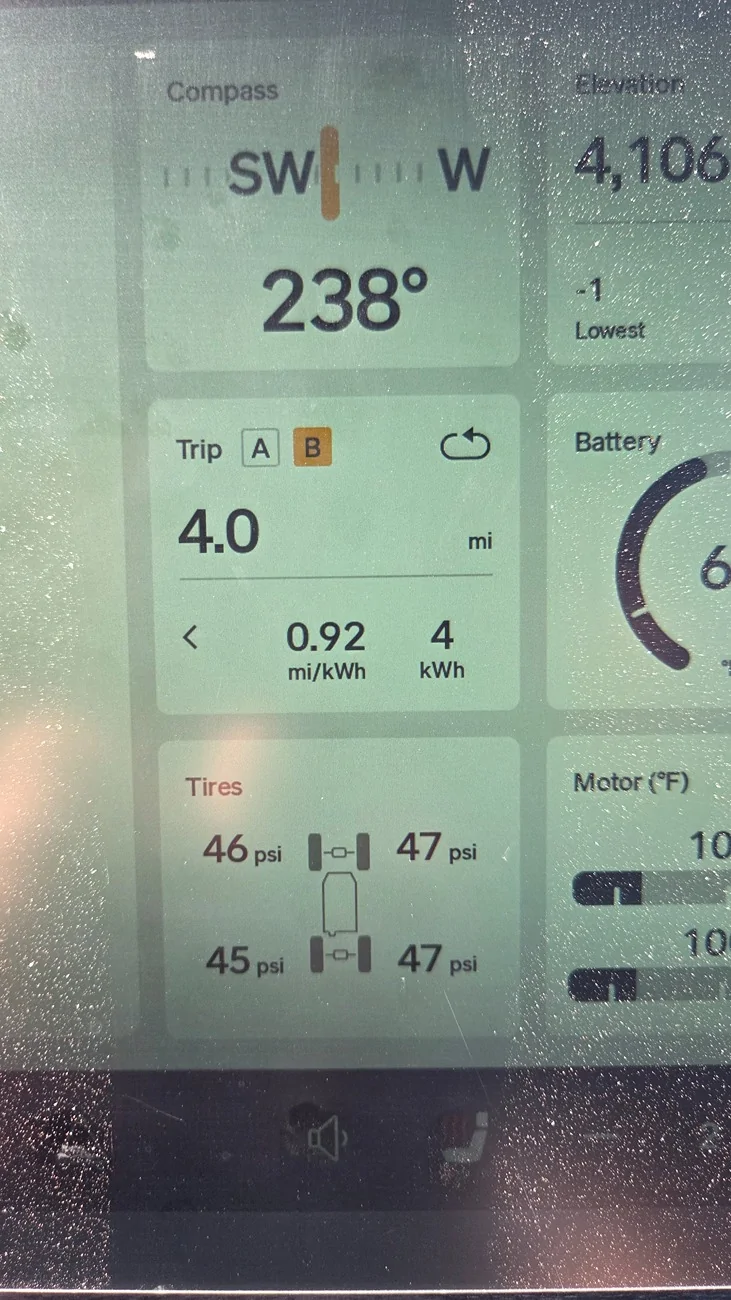
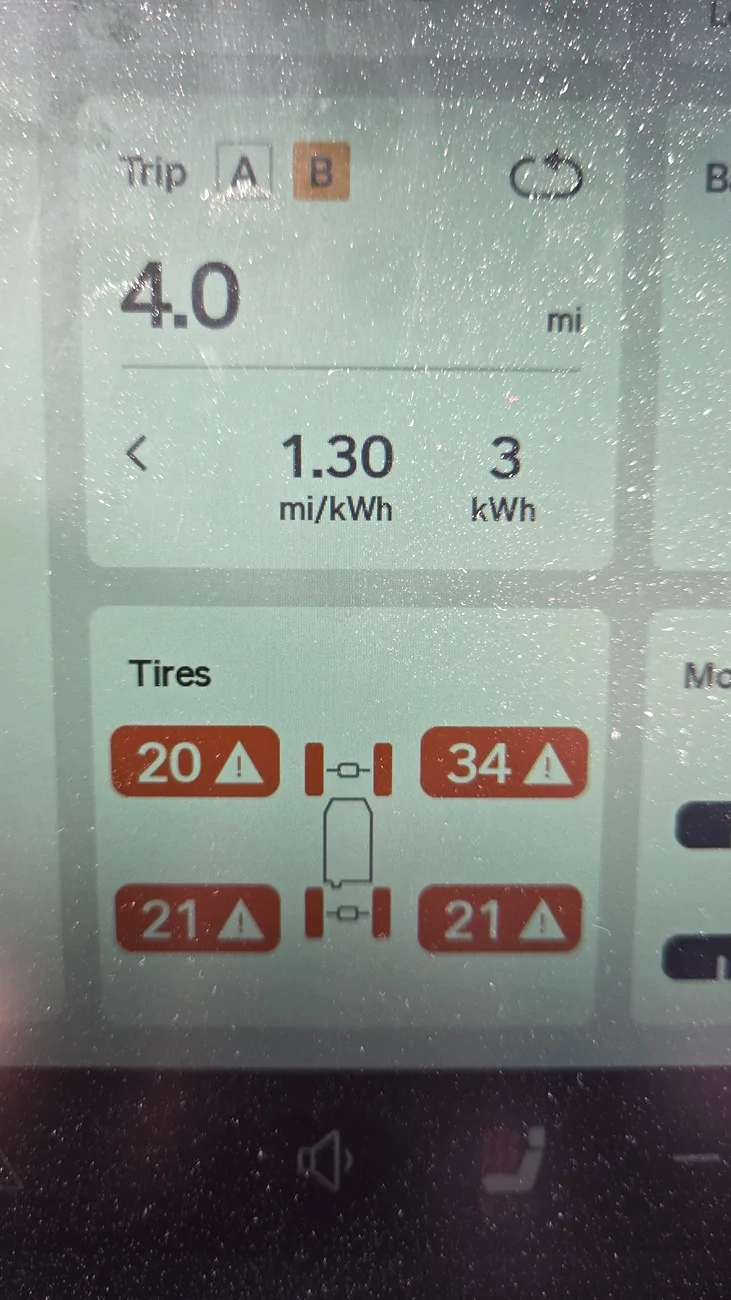
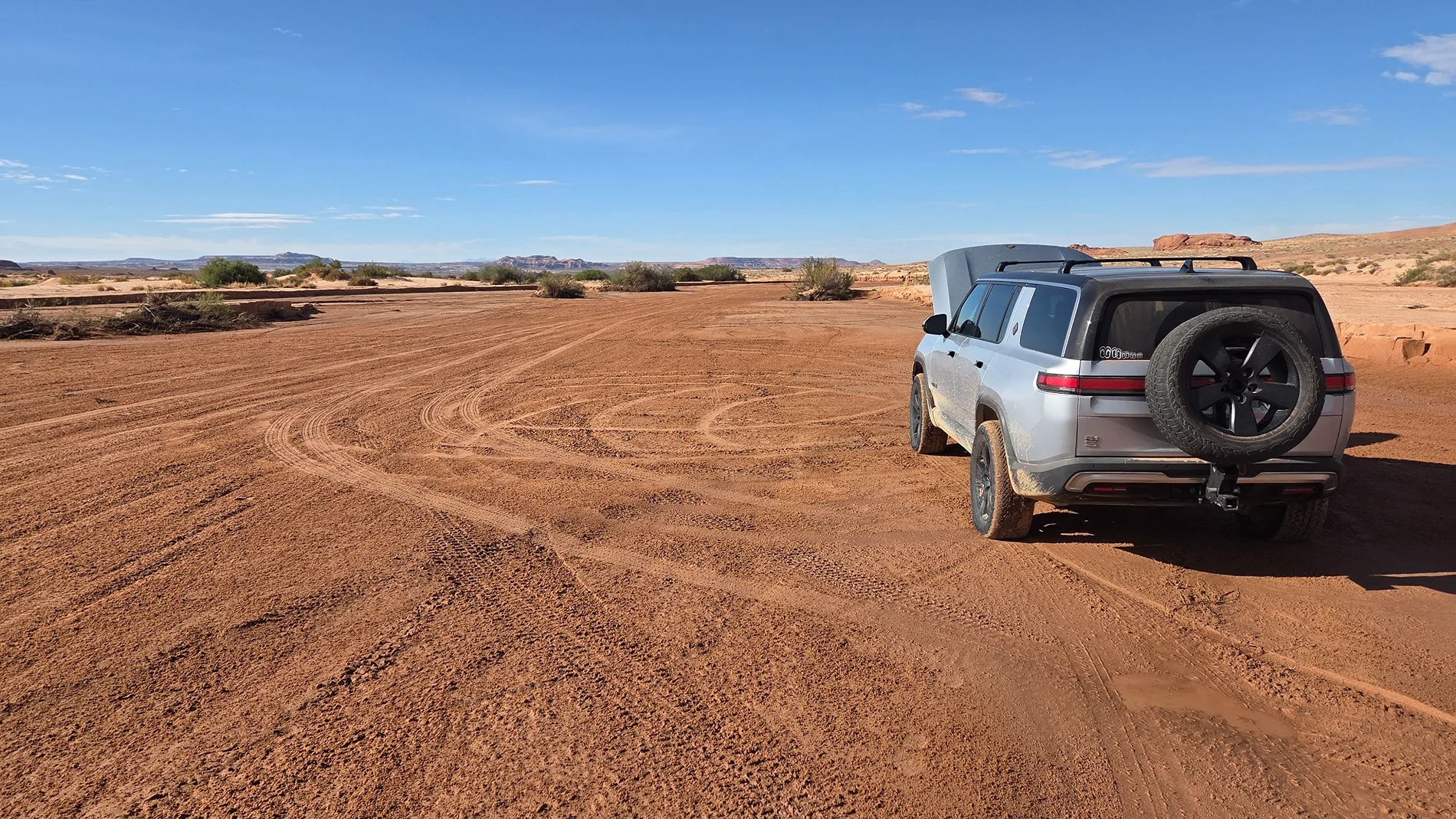
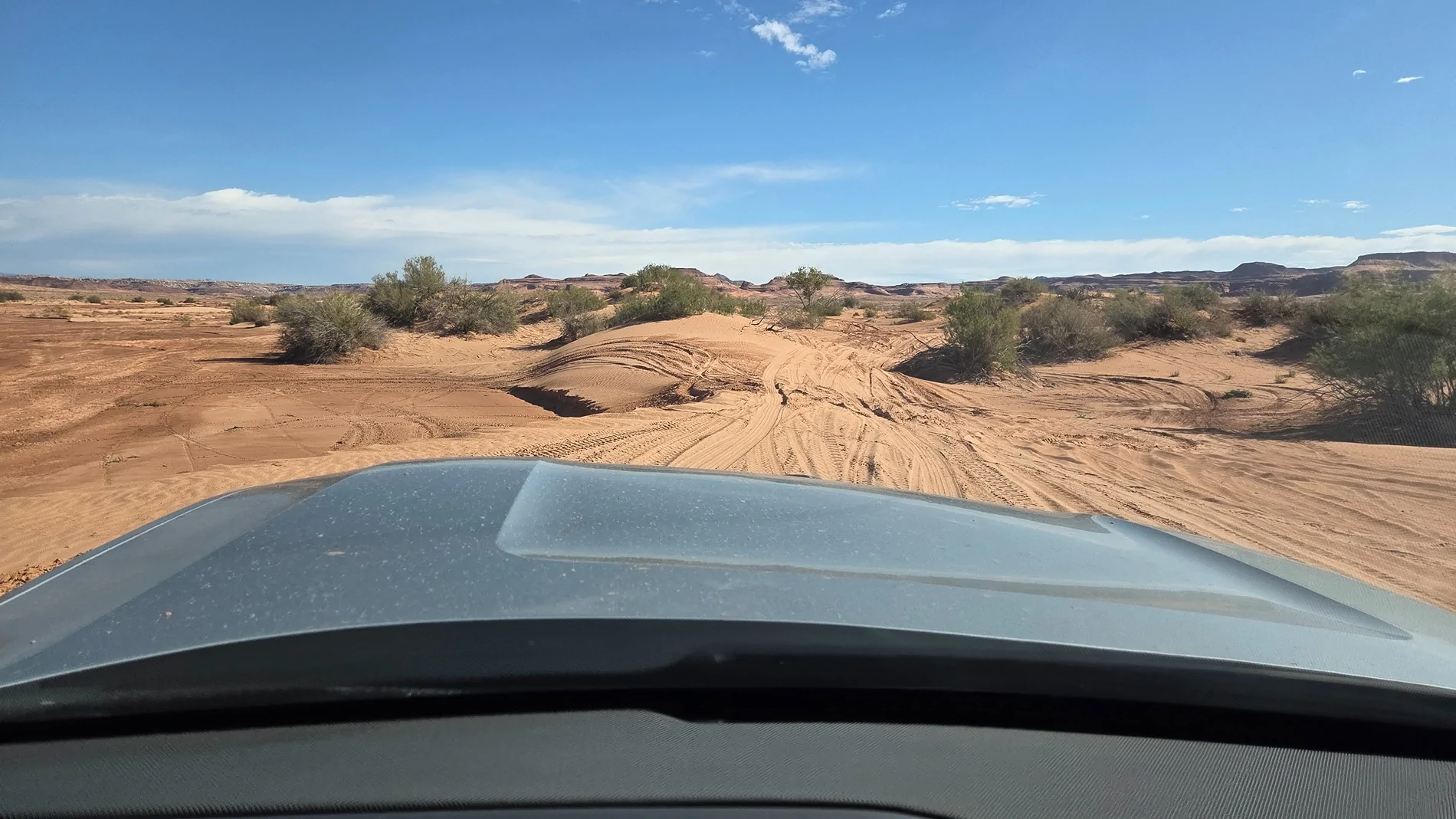
I've heard a number of people say they hesitate to air down offroad because they don't want to lose range and since I was camping by the white wash sand dunes near Moab I did an experiment to test this idea. My tires (275/60R20) were aired down to about 20 psi which was noticeably better in the sand vs 27 psi that I started with. I ran a loop of 4 miles, about half along a damp wash and half through some small dunes. I maintained a similar pace for both runs, driving at a reasonable pace and following close to my original tracks on my second run. For my second loop I aired up to 47 psi and got 0.92 m/kwh. For the first loop at 20 psi I got 1.3 m/kwh! I did a similar test over 10 miles of gravel/dirt trail, one at 45 psi and once at 25 psi and had nearly identical efficiency. My takeaway is for softer the conditions, airing down will reduce energy use since the vehicle won't be plowing through as much and for typical trails airing down to 30 won't hurt efficiency and improve ride comfort significantly. Don't be afraid to air down!
Rivian R1T R1S I aired down, and my efficiency went UP (in sand) 20251026_113011


I was starting to air up when I took this picture:
Rivian R1T R1S I aired down, and my efficiency went UP (in sand) 20251026_104909


Rivian R1T R1S I aired down, and my efficiency went UP (in sand) 20251026_105158
Rivian R1T R1S I aired down, and my efficiency went UP (in sand) 20251026_112301
Sponsored


Magicbus

Well-Known Member
First Name
Dave
Joined
Nov 6, 2023
Threads
9
Messages
335
Reaction score
312
Location
Nantucket, MA
Vehicles
Dual Performance R1T, Volvo XC90 Hybrid
Occupation
Retired
And as a side benefit your chances of not getting stuck improve greatly! :like:
 

LivingInKaos

Well-Known Member
Joined
Jun 30, 2022
Threads
19
Messages
981
Reaction score
1,934
Location
Oregon
Vehicles
R1T Launch Green Forest Edge
Occupation
Own Fabrication Company / VP of Portland Rivian Club
Clubs
 
Let's see, the point of airing down is to increase contact, thereby lessening slippage making it more efficient for movement..... Not sure whoever is not airing down to keep their efficiency really thought that thru?
 

shamoo

Well-Known Member
Joined
Jan 3, 2022
Threads
6
Messages
682
Reaction score
953
Location
SoCal
Vehicles
Rivian R1S, Porsche 911 GT3
Occupation
Cybersecurity
Let's see, the point of airing down is to increase contact, thereby lessening slippage making it more efficient for movement..... Not sure whoever is not airing down to keep their efficiency really thought that thru?
Exactly. Airing down on the highway is going to make your efficiency worse.

Airing down in soft sand or some off road situations will likely increase your efficiency as you saw (vs. not airing down). In soft sand for example, not airing down will likely get you stuck or spinning a lot and wasting energy and power. If you air down, you'll be able to get thru the sand easier, thus making it more efficient.
 

sub

Well-Known Member
Joined
Jul 23, 2021
Threads
34
Messages
1,873
Reaction score
3,306
Location
USA
Vehicles
Rivian R1S, Tesla Model 3
Does airing down reduce the effective tire diameter?

If you reduce the tire diameter, you reduce the distance you travel each rotation. The car measures distances by counting tire rotations, so it assumes you are going further and faster than you actually are if your tire is smaller then it thinks.

If the car thinks you are traveling further than you actually are, it will think you are more efficient than you actually are.

It is possible that airing down makes you less efficient, but at the same time makes the display claim improved efficiency.
 

Sponsored

OP
OP
JeremyP

JeremyP

Well-Known Member
Joined
Feb 27, 2021
Threads
12
Messages
382
Reaction score
701
Location
Grand Junction, CO
Vehicles
Toyota 4runner, BMW I3, preordered R1S
Occupation
Engineer
Does airing down reduce the effective tire diameter?

If you reduce the tire diameter, you reduce the distance you travel each rotation. The car measures distances by counting tire rotations, so it assumes you are going further and faster than you actually are if your tire is smaller then it thinks.

If the car thinks you are traveling further than you actually are, it will think you are more efficient than you actually are.

It is possible that airing down makes you less efficient, but at the same time makes the display claim improved efficiency.
I ran the exact same loop following my own tracks and the trip meter showed the same overall distance, so my (engineer brain) concerns over the tire diameter change due to airing down were alleviated. I was also very surprised at the difference in efficiency between the two loops while driving as consistently as possible!
 

CrazyOne

Well-Known Member
Joined
Oct 30, 2021
Threads
3
Messages
1,362
Reaction score
1,159
Location
WA
Vehicles
R1T
Does airing down reduce the effective tire diameter?

If you reduce the tire diameter, you reduce the distance you travel each rotation. The car measures distances by counting tire rotations, so it assumes you are going further and faster than you actually are if your tire is smaller then it thinks.

If the car thinks you are traveling further than you actually are, it will think you are more efficient than you actually are.

It is possible that airing down makes you less efficient, but at the same time makes the display claim improved efficiency.
Fair point, but you did not consider below:

Spinning wheels in the sand make the car think that it travelled more distance than it did. So the car will think that it's more efficient than it actually is.
 

ENVErider

Well-Known Member
First Name
Tyler
Joined
May 2, 2025
Threads
1
Messages
184
Reaction score
176
Location
Oakland, CA
Vehicles
2022 R1T Launch Edition
Occupation
Mechanical Engineer
There might be a little savings in tire slip as others suggested, but I don't think that's what is driving your efficiency down with firm tires off-road. As a lifelong cyclist, I've watched a lot of lab-quality research poured into bike-racing efficiency studies, and we've flipped the old thinking that firmer, skinnier tires are "faster" (more efficient). Studies have shown that the losses from vibrating a suspended mass (rider + bike) far outweigh any tire deformation losses, so racers are now riding wider, lower-pressure tires to save energy. Basically, it's probably not the sand but the rough uneven road itself that gives you the low-pressure savings; you should expect the same for rough hard surfaces; it not only feels better in the cab, but gives you more traction. By moving/vibrating the larger R1 mass less, you have less vibration/hysterysis losses. For bikes, it's so refined that there are several online calculators that tell you the sweet spot or ideal pressure for your particular bike+rider weight, your tire choice, and your intended terrain (Silca & Zipp/SRAM, for example).
In short, on rough roads, it will be more efficient to let the tire deform and soak up more vibration than to let the suspension and R1 vibrate more. Of course, taking this concept too far leads you into cut/punctured sidewalls, which is why the bike tire calculators came about; you can't win the race if you flat out halfway through because you aired down too much.
Sponsored


Top