

UnsungZero_OldTimeAdMan
Well-Known Member
In my gen 1 quad it's in vehicle settings > Driver+, scroll down a bit until you see "Regenerative braking assist".Where is the feature to "disable brake assist" ?
Sponsored
In my gen 1 quad it's in vehicle settings > Driver+, scroll down a bit until you see "Regenerative braking assist".Where is the feature to "disable brake assist" ?
100% same experience as youI was surprised to see this thread. Over a decade of EV ownership, various brands and a number of them have gone over 100,000 miles. One nearing 200,000….i have never replaced pads or rotors on a single one of them….
May be the weight of these vehicles, I know on my previous Land Cruisers 20-30k brake jobs were expected. I’m sure brake assist would play into it as well -I was surprised to see this thread. Over a decade of EV ownership, various brands and a number of them have gone over 100,000 miles. One nearing 200,000….i have never replaced pads or rotors on a single one of them….
Up here in the salt belt, non-use on EVs cause rotors to start corroding and pitting, which accelerates the wear on the pads significantly.I was surprised to see this thread. Over a decade of EV ownership, various brands and a number of them have gone over 100,000 miles. One nearing 200,000….i have never replaced pads or rotors on a single one of them….
You probably get more than me, but I’m in the NE so I see salt as well. Especially in my F-150 Lightning, which plows in the winter. It’s not that there’s zero use, but definitely not enough to warrant replacement.Up here in the salt belt, non-use on EVs cause rotors to start corroding and pitting, which accelerates the wear on the pads significantly.
My ICE vehicles would see brake jobs around 30-60k as well, depending on the car, and I get the weight argument but my Lightning is within 100lbs of the R1T, actual measured weight at CAT scales, and the R1T has far more aggressive regen.May be the weight of these vehicles, I know on my previous Land Cruisers 20-30k brake jobs were expected. I’m sure brake assist would play into it as well -

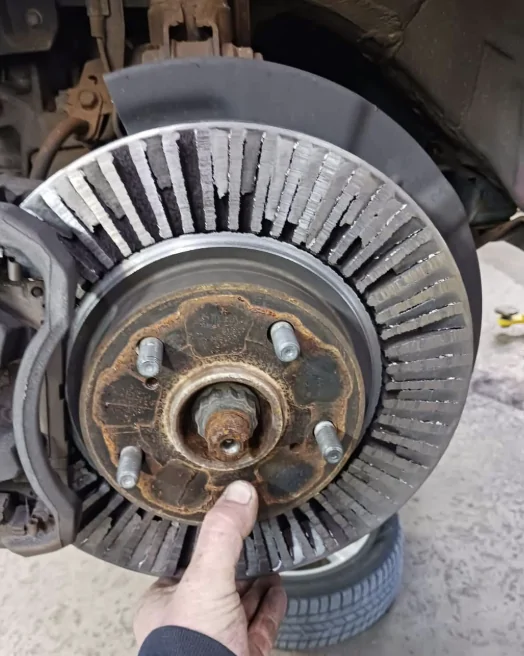

Scary... Some people forget that what happens when you cannot stop the vehicle.As long as it does not look like this, there is no need to change the rotor. Wait until you see the rotor wear indicators like this picture.

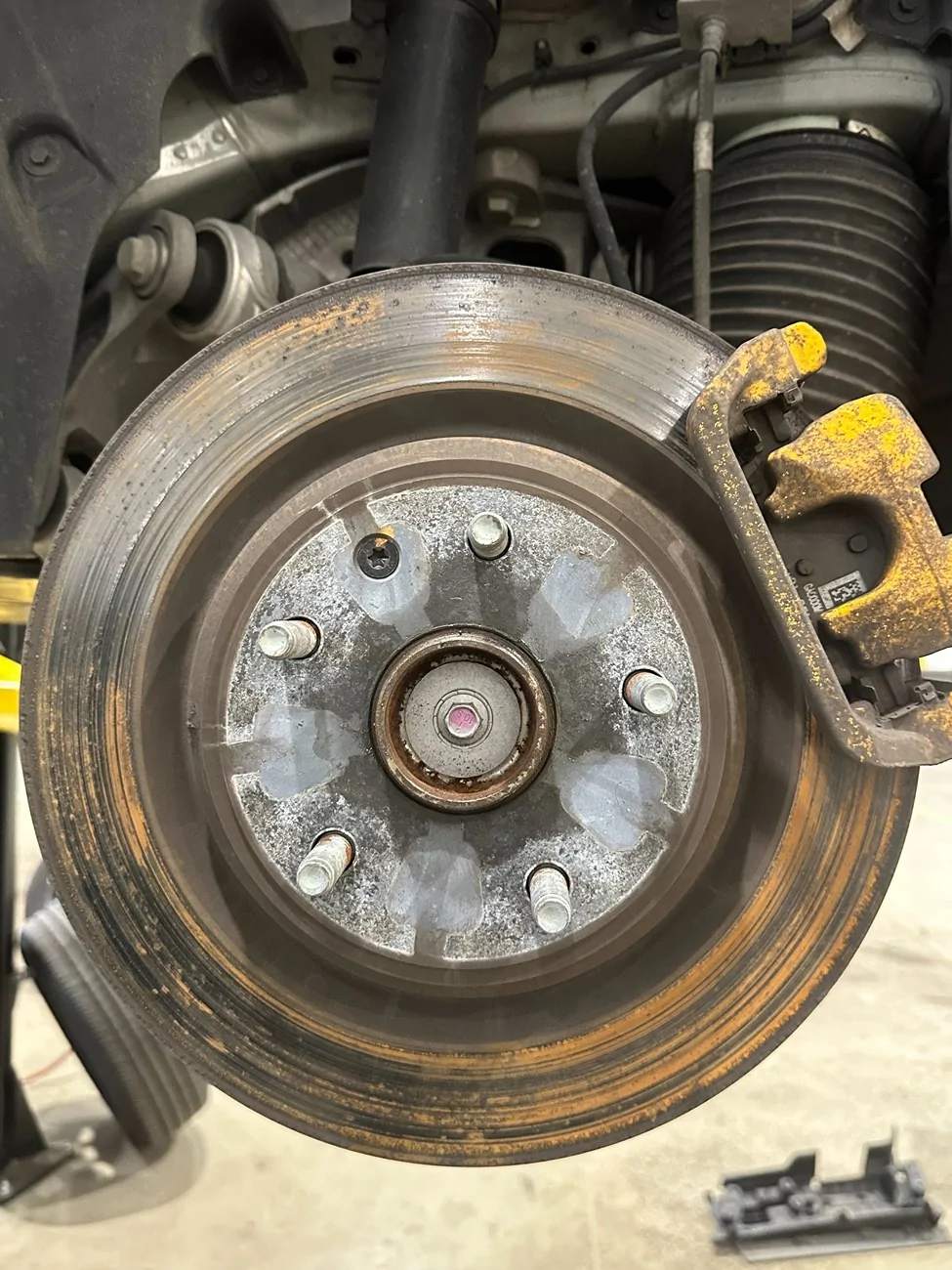
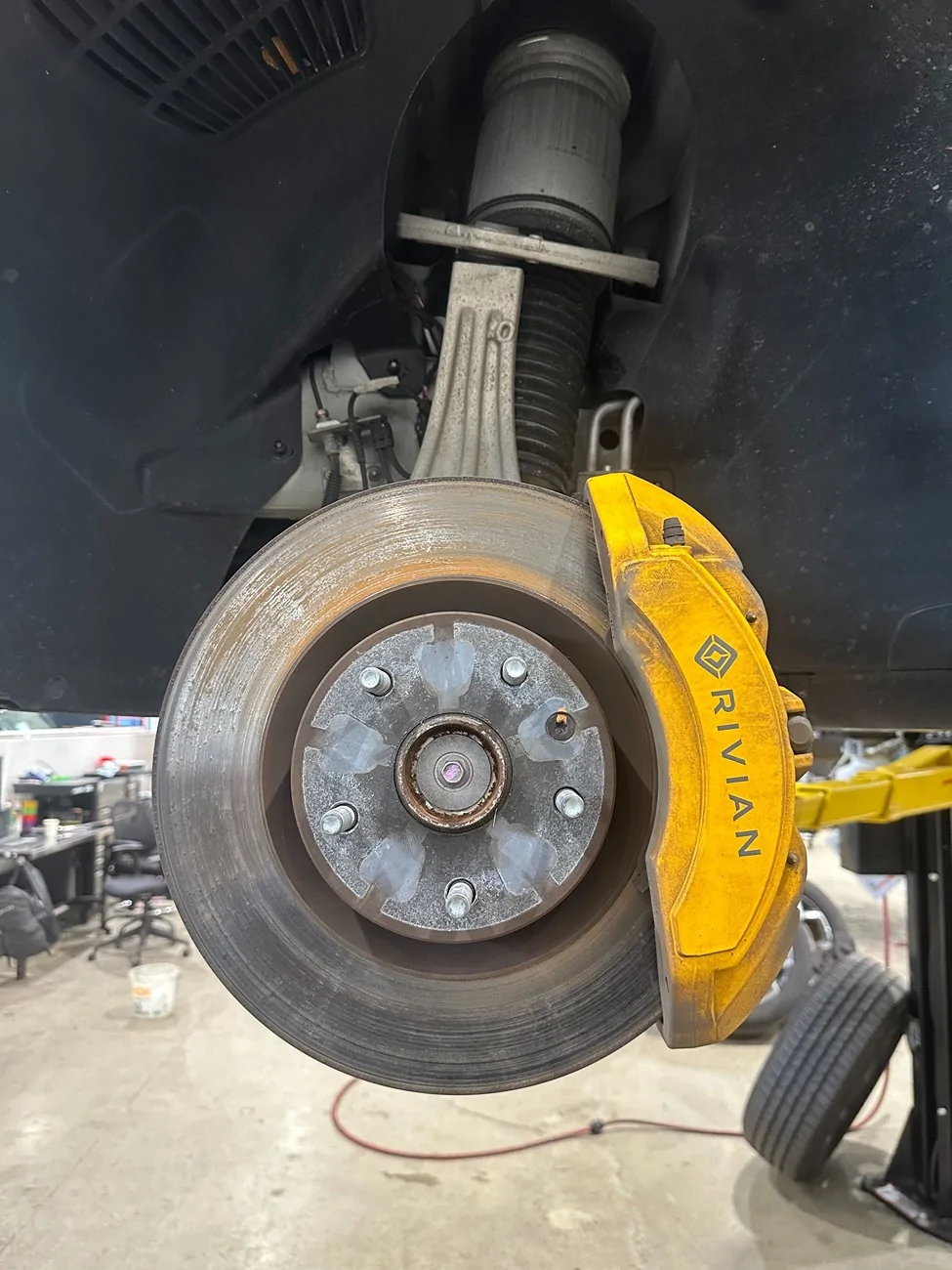
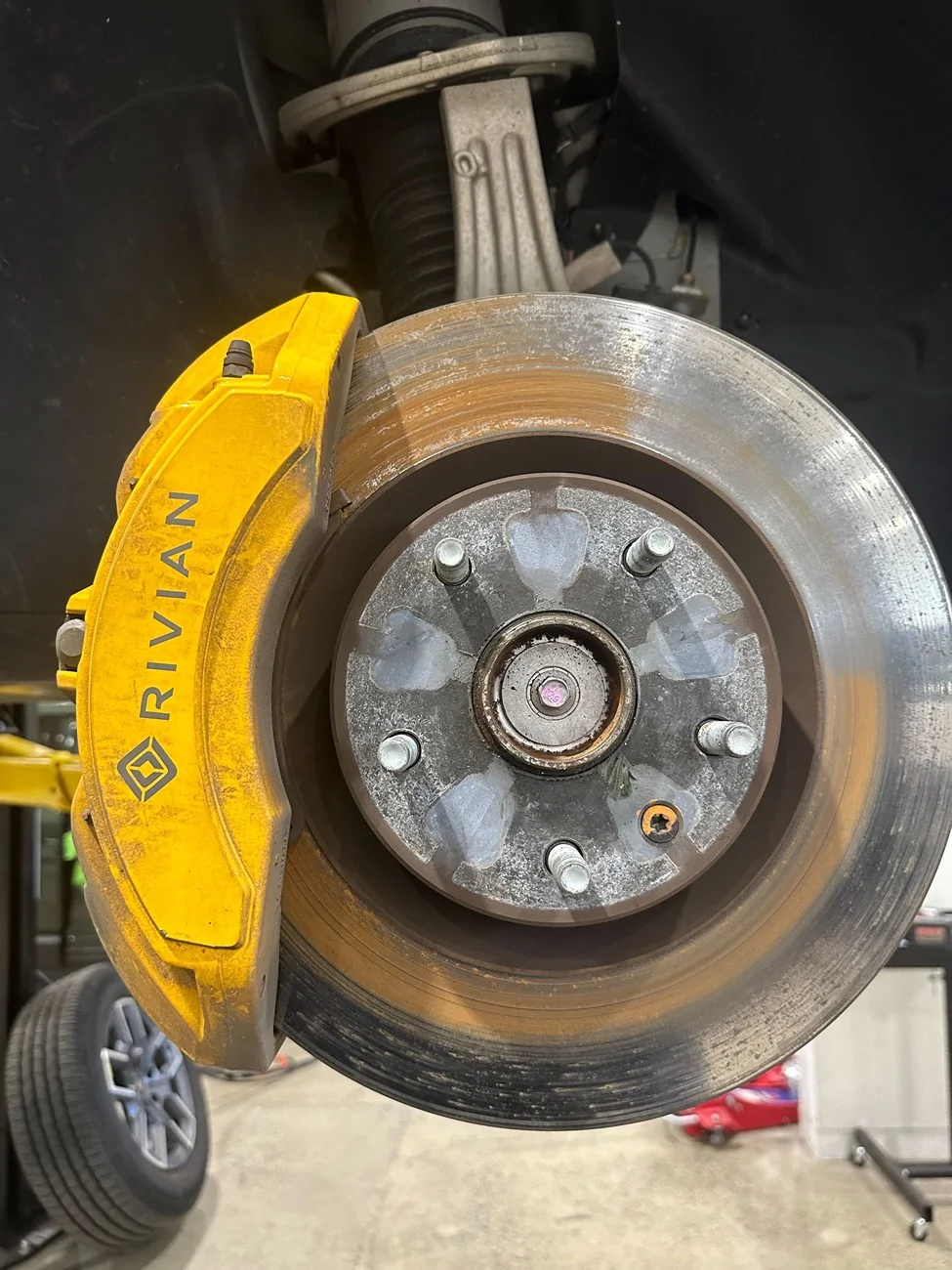
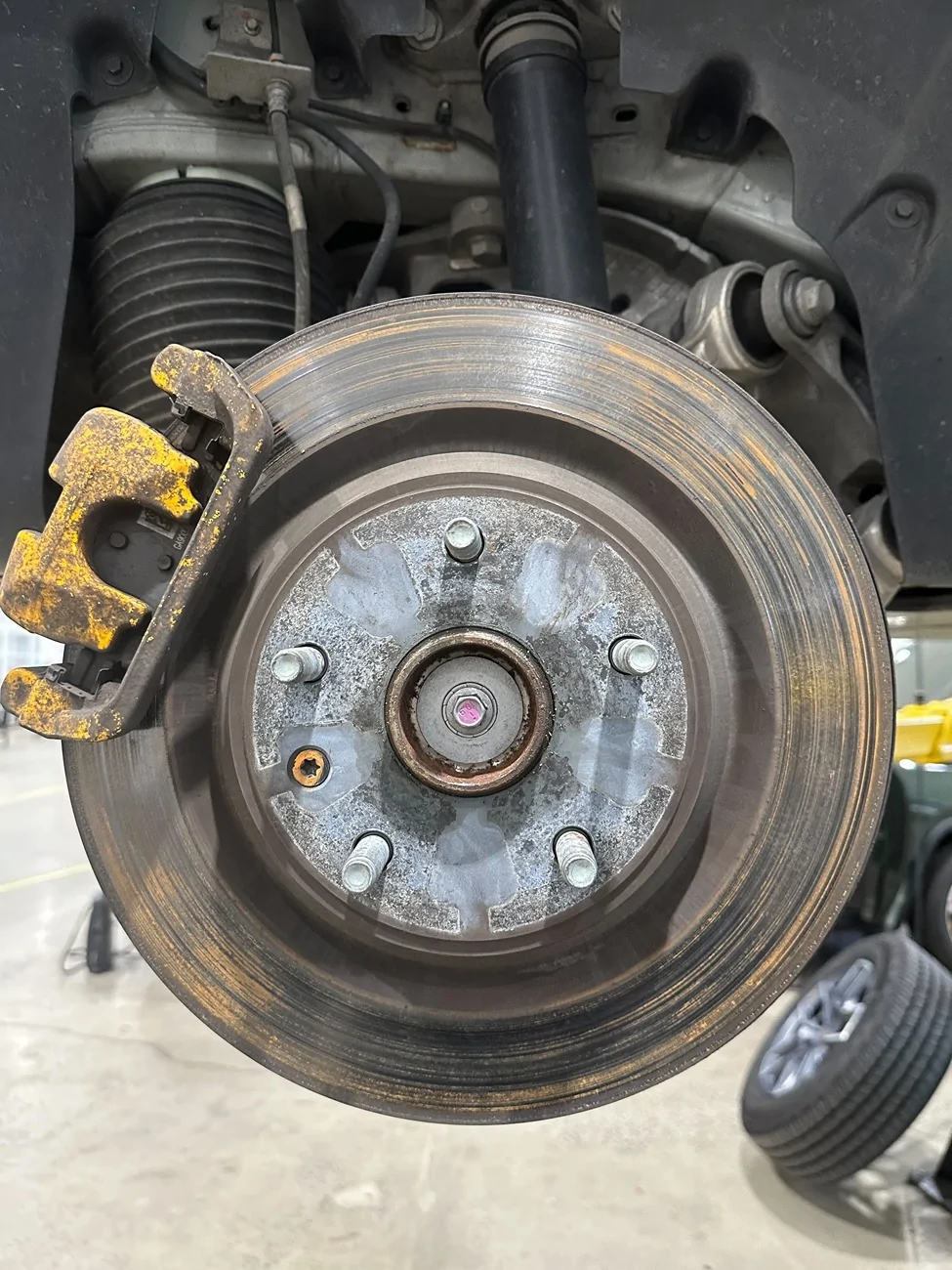
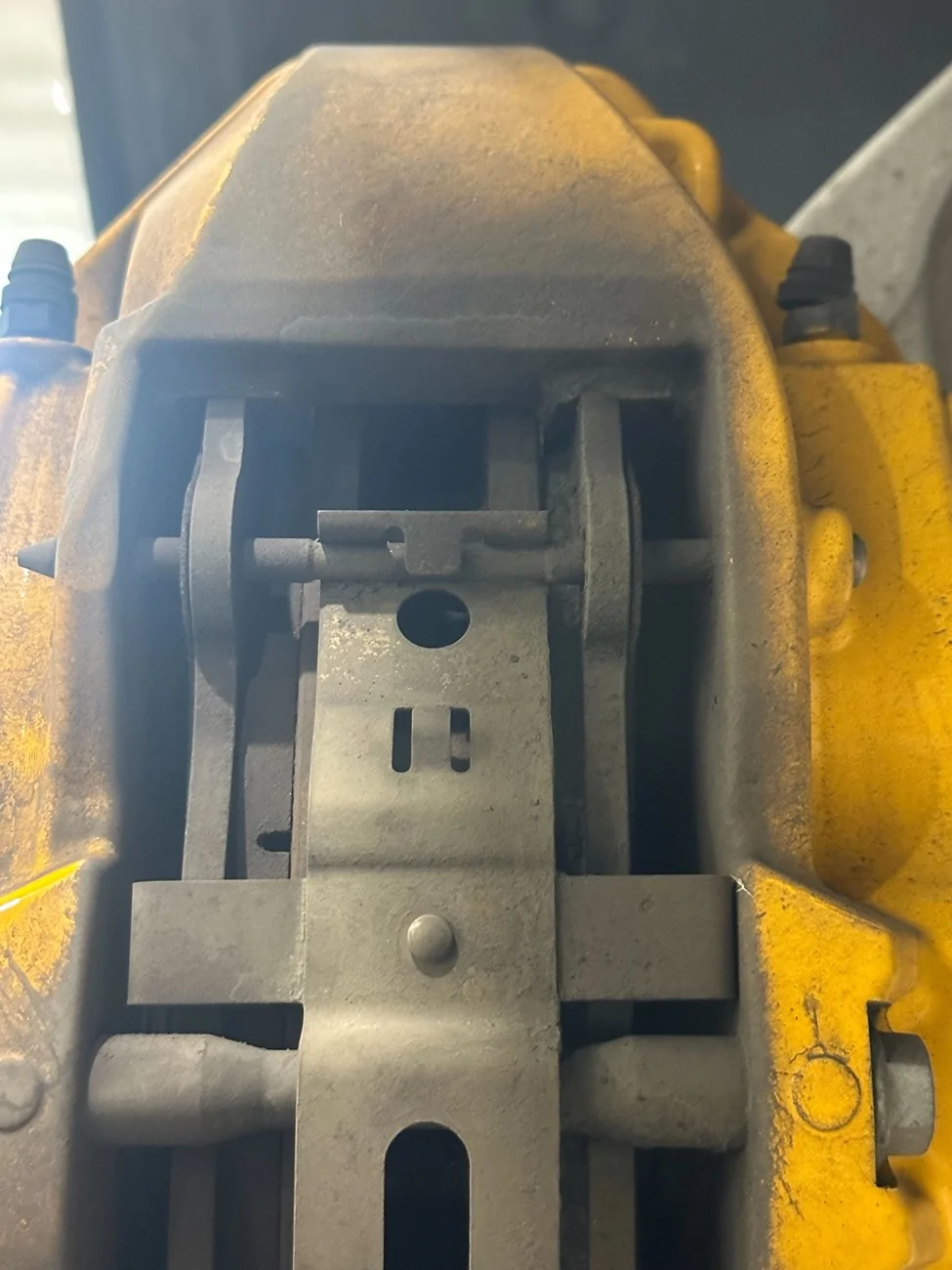
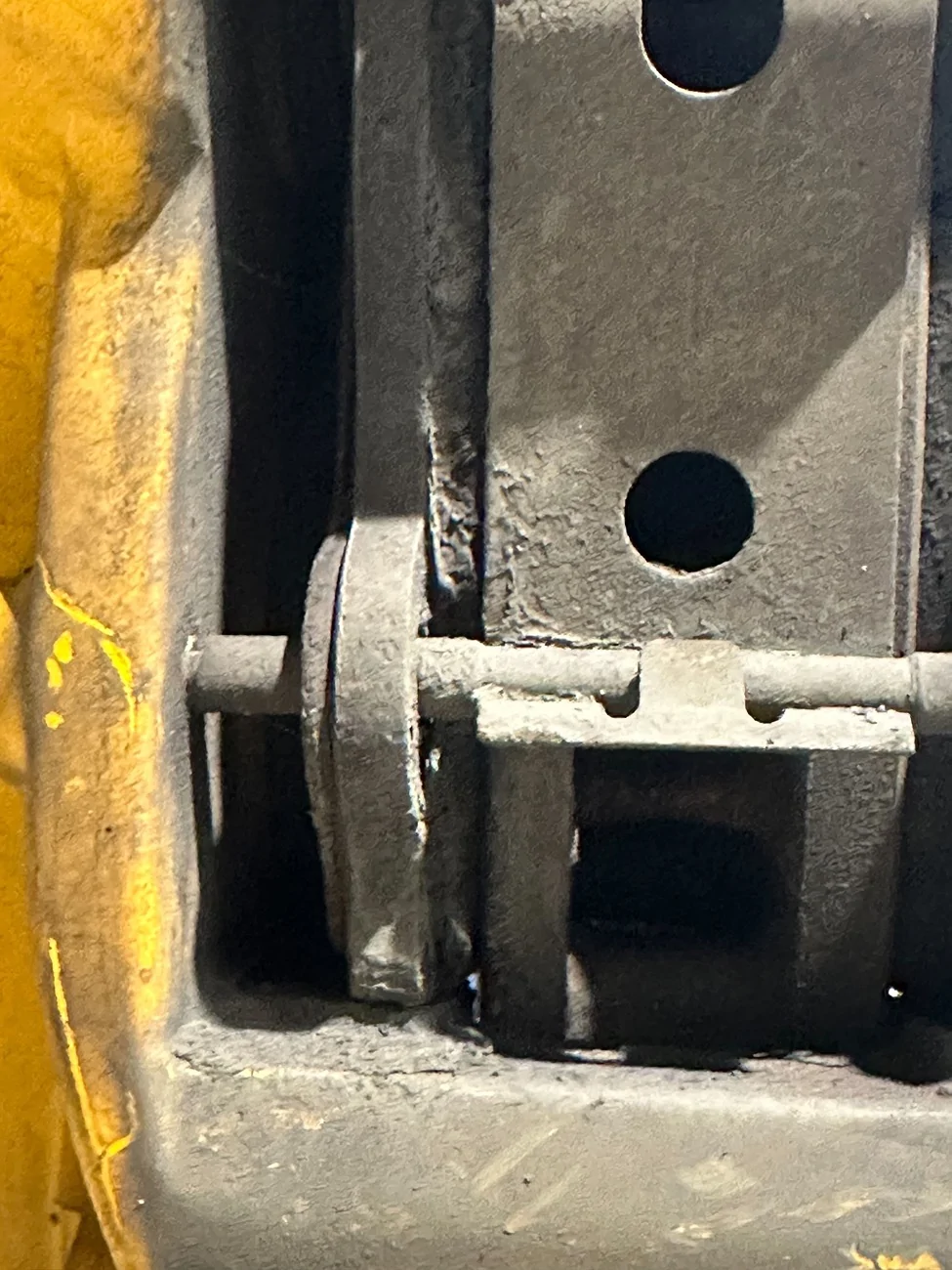
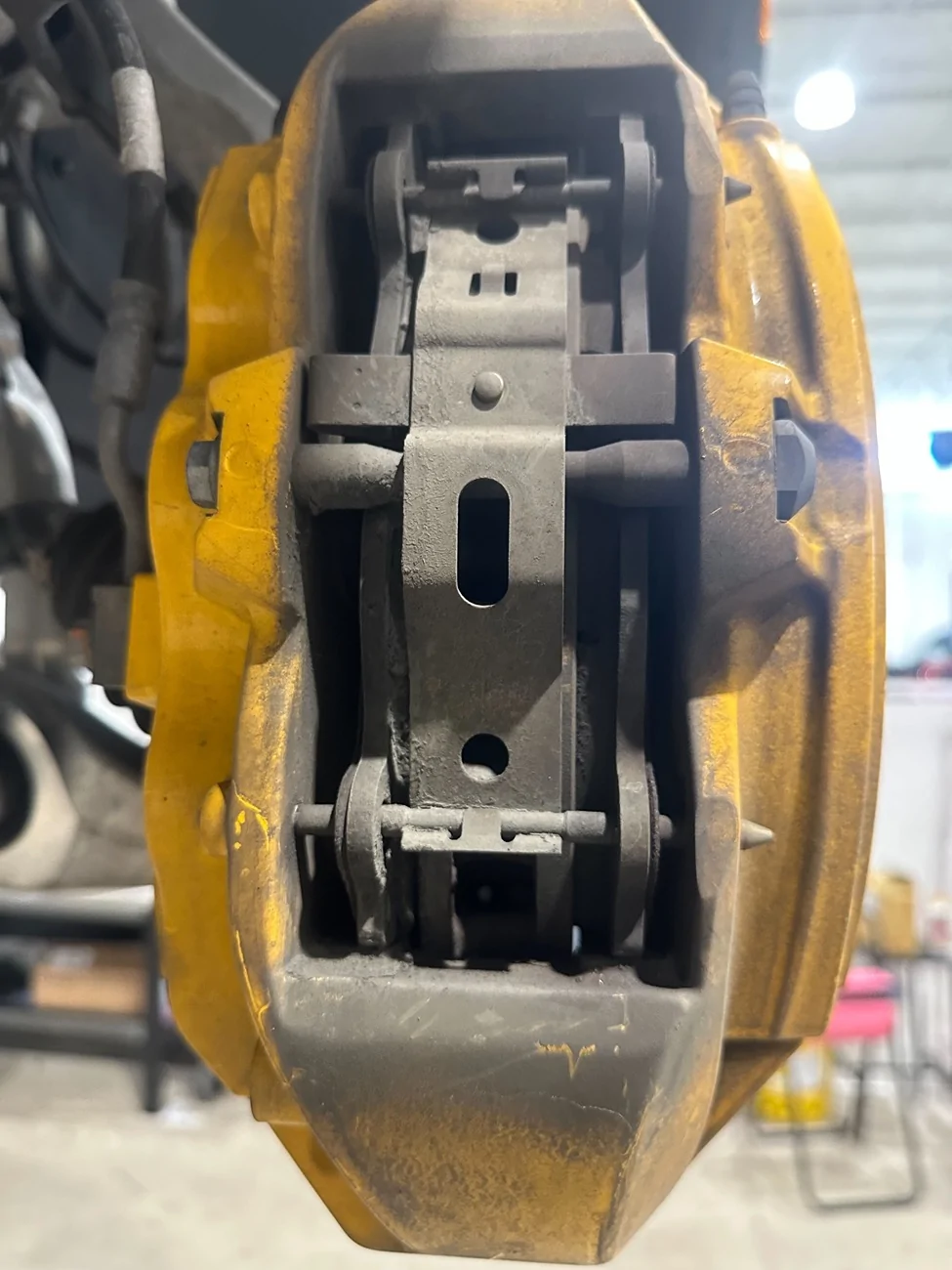
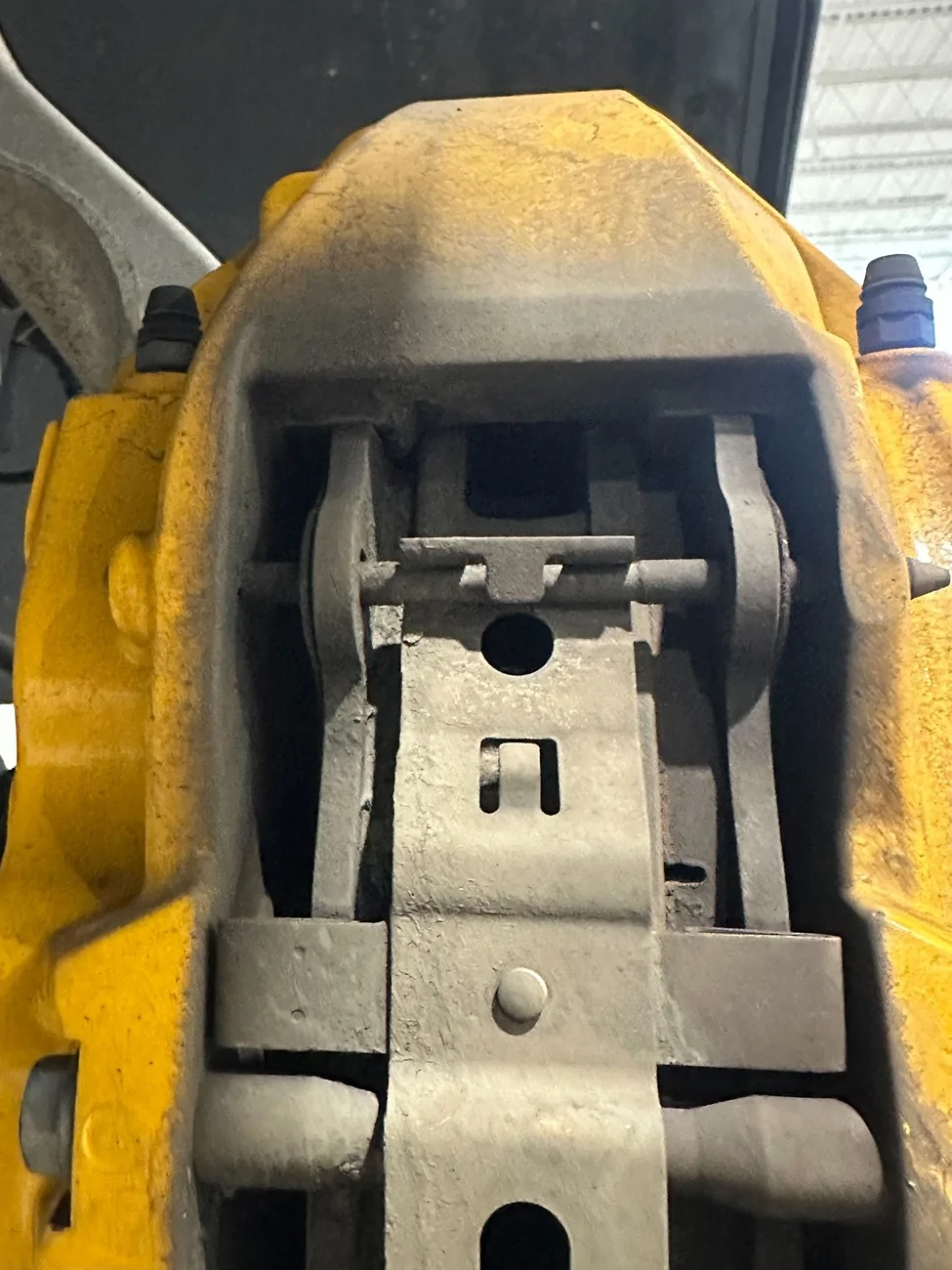


Woof. Those rotors look pretty rough. Probably time to replace them, I blame NE road salting.So I asked my SA to look into the guide pin issue based on VIN and was told the lead technician said “the brakes including the guide pins should not be greased on Gen 1 or Gen 2” and “they did not see anything that would cause a defect in the brake system”.
Worth escalating further or just get the pads replaced and be done with it?
Rotor and caliper photos attached.


