NineElectrics
Well-Known Member
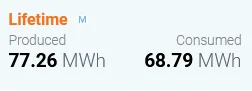
Yes, I know how it works. My point is that you'd have to have a very large system in order to produce as much as you consume. I have two EVs and my electric bill is hundreds of dollars a month, yet my roof isn't big enough to accommodate a system large enough to offset it (city dweller). So, at least in my case, there would always be an opportunity cost to charging at home. Now, I admit, my case isn't everyone's case--but A/C costs a lot of power, and EVs draw a lot. I think I'm closer to the average homeowner than you are.Your summer over-production in many states gets put in your "solar bank" so in the winter when daylight hours are short and you consume more than you produce.. your utility draws excess kWh from your "solar bank" and you still get a zero dollar utility bill (or just a slight "grid connection" charge) even during the winter. My utility bill has been $14/month for the last 4.5yrs even with three EV's.
Good point, my figures are out of date. The national average for solar ROI is fifteen years. Not 7.5, which is a great deal. Definitely not average.If your break-even is 20-30 yrs- you made a terrible deal on your system and did no homework before purchasing your system.
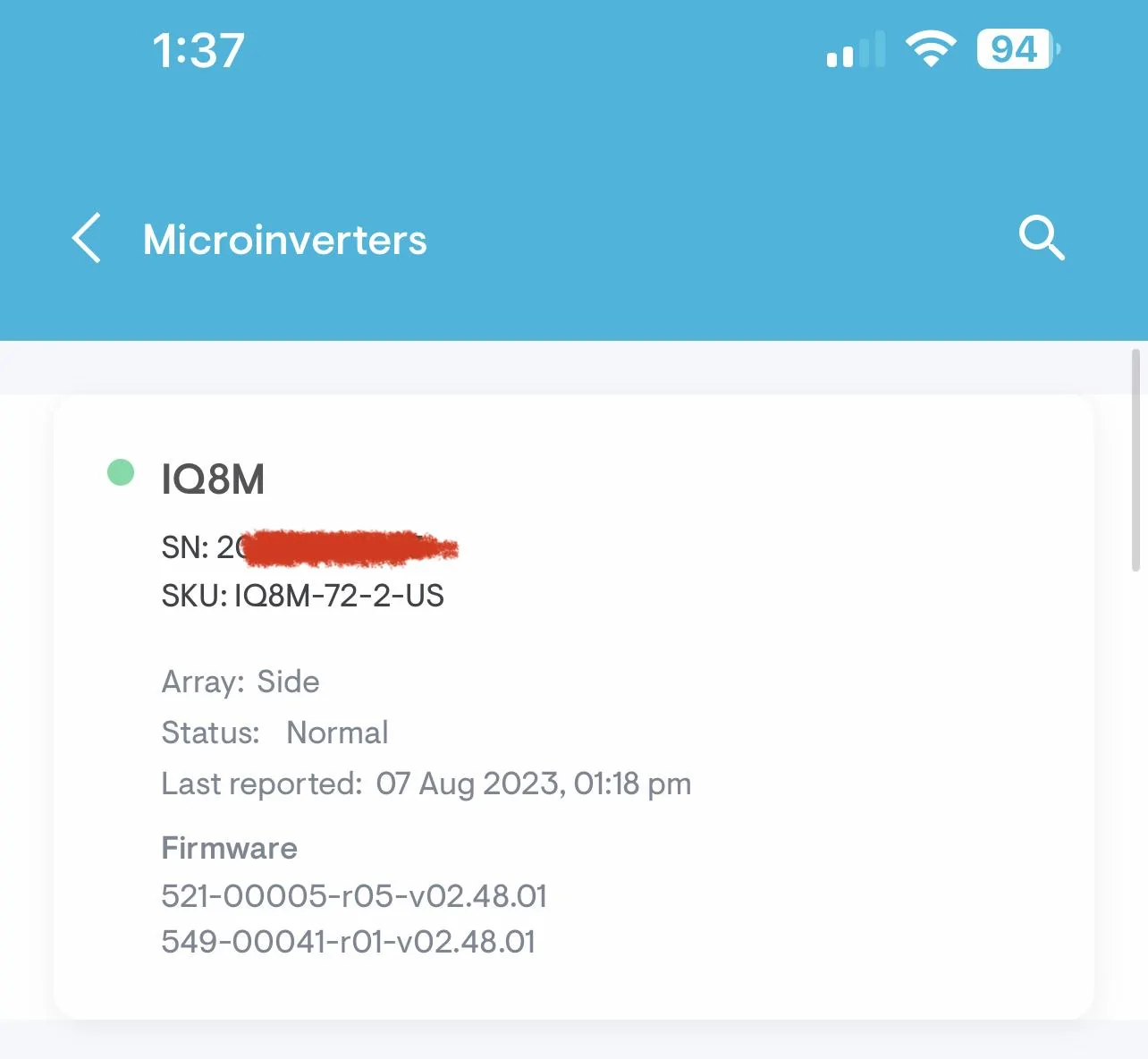
My original break-even on my system was 7.5yrs, but with recent utility rate increases.. it's now under 7yrs. I have 43 panels.
I didn't make a "terrible deal" or "do no homework" (tell yourself what happens when you assume) but geography and roof size do play a role. I don't have solar, as the numbers haven't worked out every time I've checked. And, until recently, the systems became so much cheaper every year that there was no financial penalty for punting until the next year. Thanks to COVID and China that trend is kaput, alas.
You can combine battery storage with net metering. I would pay extra for battery storage. Disaster preparedness helps with the otherwise terrible economics in my case.Grid tied systems don't work like that.. if the grid is down.. your grid-tied system is down as well to prevent energizing downed power lines and electrocuting utility workers during restoration operations.
Sponsored