timesinks
Well-Known Member
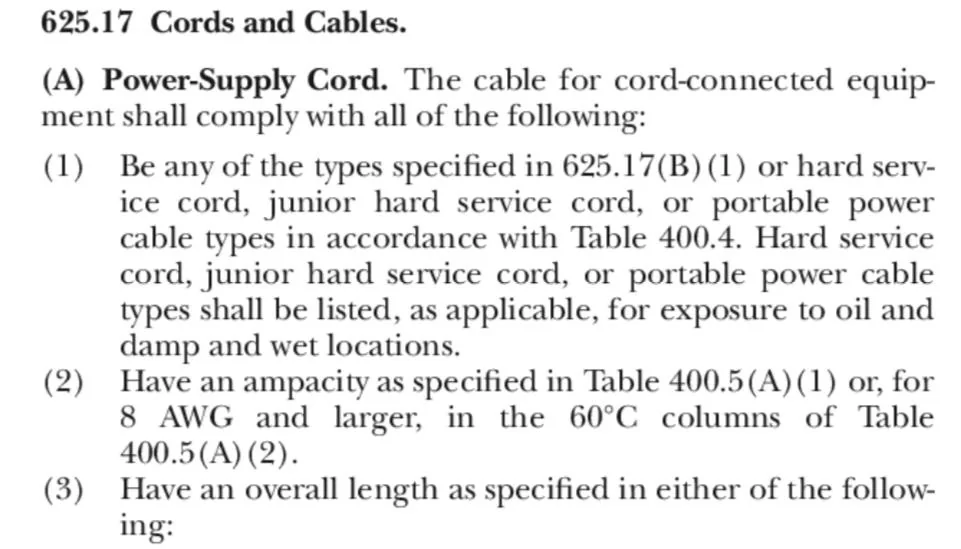
One minor difference that can affect project cost... a 50A receptacle for an EVSE needs to be GFCI protected. This is definitely true here in WA with 2020 NEC but also true in many other places on 2017 that have adopted the related interim amendment.I posted this on another thread - might be helpful to some here
I've been trying to read through all of the information on home charging and deciding how to wire for my impending R1T (sOOn). I've developed this table of info but want to make sure it's accurate - so please, those with more knowledge chime in and I will edit to correct inaccuracies:
* Non-Rivian plug-in Chargers (JuiceBox, ClipperCreek, etc.)
Type Charge Amps Circuit Amps Plug Type Miles / Charge Hr Riv Portable Chrgr Reg 120v ~3 Riv Portable Chrgr 32A 40A NEMA 14-50 ~15 Plug-in Charger* 40A 50A NEMA 14-50 ?? Riv Wall Charger 48A 60A Hard Wired Up to 25
Assuming this is all correct, and given I don't put a lot of miles on my car any day (max ~50), I'm going to wire my house with a NEMA 14-50 plug and start by using the Rivian Portable Charger - the car will be available to charge 8 hours each night - that should be more than enough for my simple (non-trip needs). I can always juice it up over a couple of nights if I know I'm about to go on a trip.
If I find I want a little more umph, I can later buy a plug-in wall charger from a non-Rivian manufacturer. Also, if my wife gets an EV down the road, then I may choose to get a load-sharing 3rd party plug-in charger.
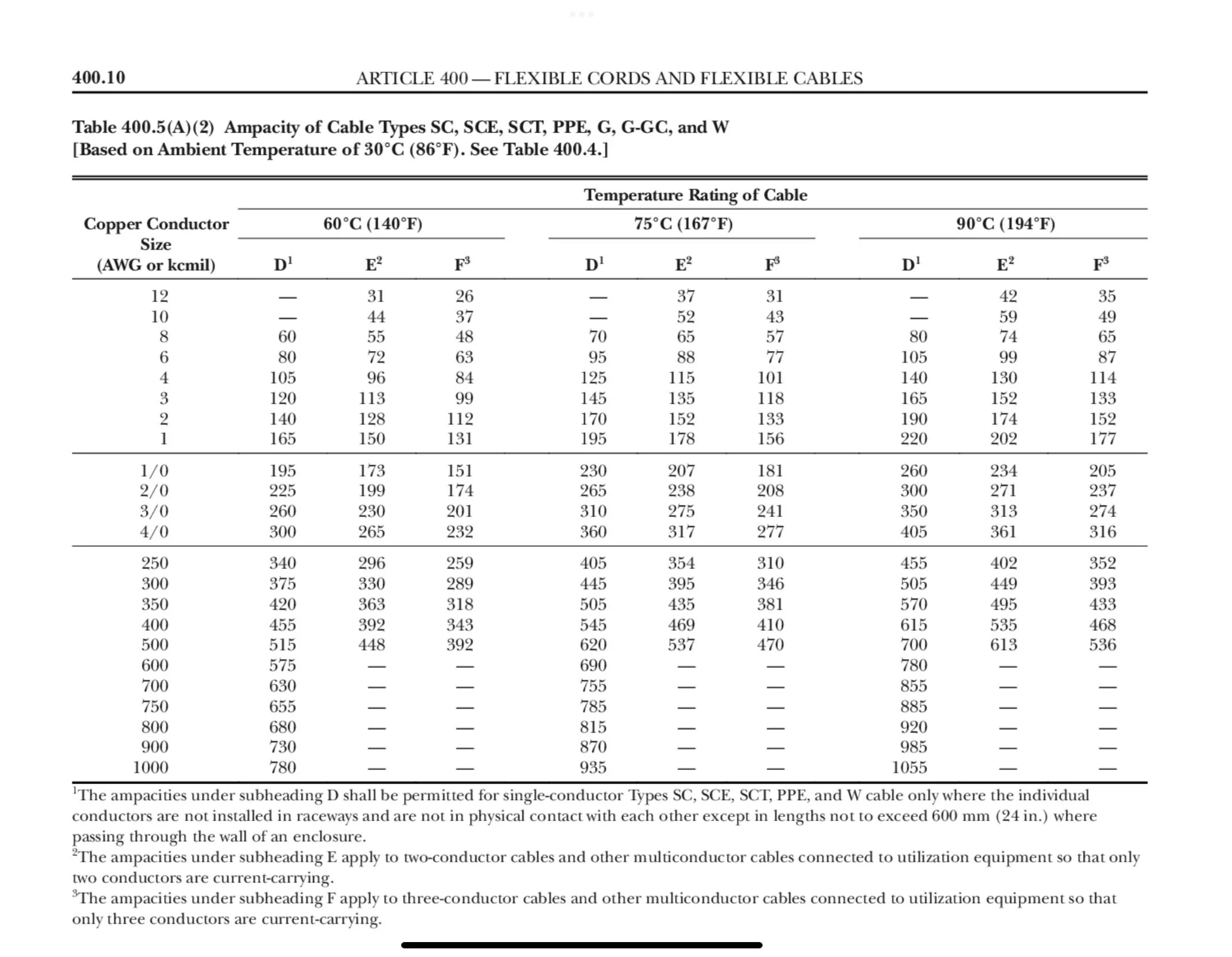
I do still have one question. Just to maximize my electrician's time (and lower my cost), would I be able to have them install a 60 amp circuit and connect that to the NEMA 14-50 plug? Or is the plug rated for a MAX amperage of 50 amps (as it's naming would suggest). My thinking would be if later I (or a new owner of my home if we sell) wanted to install a hard-wired charger, having the 60 amp circuit in place already would be helpful. But maybe that won't work??
Hope that's helpful to others as well!

50A GFCI breakers are generally over $100 and have been having supply problems. 2020 NEC also requires hardwire installs to be GFCI protected up to and including 50A circuits.
Going to a 60A breaker for a hardwire 48A unit eliminates this requirement -- and non-GFCI 60A breakers are usually around $15.
Sponsored