
Count Orlok
Well-Known Member
- Joined
- May 17, 2022
- Threads
- 187
- Messages
- 2,623
- Reaction score
- 5,547
- Location
- native soil
- Vehicles
- INEOS Grenadier/F150h/911/71 Ford/69 Ford / etc.
- Occupation
- retired
- Thread starter
- #1
Sponsored
in the words of 20th Century philosopher George Costazna, "it's all pipes!! what's the difference?"Are you asking if you can get some solar charging into the Pack from the 120v outlet? I'm guessing not. Decent chance you will fry your inverter on your Rivian or the microinverter on your panels.




As @SwampNut already stated, a standard inverter is designed to convert DC to AC only one way; the circuits inside would not convert 120V inputs to the 400V battery, or any other DC systems for that matter. There are some inverters designed to go both ways, but no automaker, to my knowledge, is installing bi-directional inverters in their convenience outlets, and they probably never will.

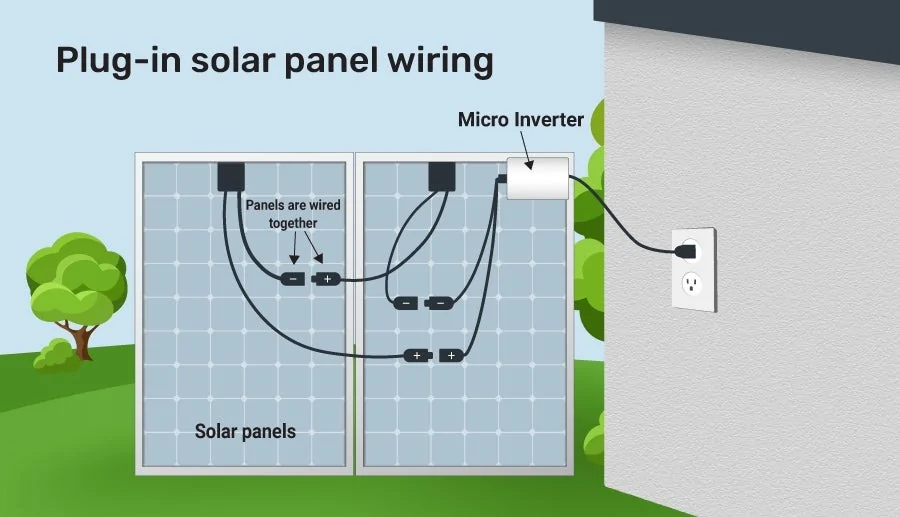
So I've always wondered how these particular plug-in solar panels work on a normal house. I know they are really popular in Europe and in the states where they are legally allowed (waiting on WA State to be one of those!), but I've not understood how they can provide power via plugging into something that's called an outlet...As @SwampNut already stated, a standard inverter is designed to convert DC to AC only one way; the circuits inside would not convert 120V inputs to the 400V battery, or any other DC systems for that matter. There are some inverters designed to go both ways, but no automaker, to my knowledge, is installing bi-directional inverters in their convenience outlets, and they probably never will.
But the bigger question is why would you risk your $60-125K vehicle's warranty based on what someone told you on an online forum? The juice is not worth the squeeze.
If you have a large grid (5kW+?) and a battery/inverter, maybe you could use your mobile charger to trickle in some juice for long stays camped out in the open, but a lot of things have to align to make it worthwhile.
And then there's the wildly varying differences in the quality of the sine wave output from inverter to inverter...
In that case, it really is JUST A PIPE. There are no electronics in the grid, meaning anything more complex than a transformer. As long as no DC is involved at all, transformers are 100% bidirectional. A transformer is a coil for the low voltage side that is near/around the coil for the HV side. They can go flow in both directions.So I've always wondered how these particular plug-in solar panels work on a normal house. I know they are really popular in Europe and in the states where they are legally allowed (waiting on WA State to be one of those!), but I've not understood how they can provide power via plugging into something that's called an outlet...
Science and tech needs to be pedantic for both safety and accuracy. It's a receptacle, not an outlet.something that's called an outlet...

Rivian isn't monitoring the circuit that ties into the inverter. Would be possible to backfeed to charge the HV battery through it, but you didn't hear it from me.It is VERY likely that the inverters on both sides of the Rivian<>panel connection would self protect and nothing would happen. But absolutely, 100%, no charging will happen.
There are plenty of places where you can backfeed 400-500v into the battery on every EV. There are people doing it, devices for it.Rivian isn't monitoring the circuit that ties into the inverter. Would be possible to backfeed to charge the HV battery through it, but you didn't hear it from me.