
onebadmofo
Well-Known Member
- Thread starter
- #1
( This post is regularly updated to incorporate new information and reflect (usable) feedback from your comments)
Disclaimer - this is very dangerous so only attempt this if you know what you're doing or desperate (like I am). This is very much a last resort.
No need to tell me how stupid and dangerous it is and how I'm gonna burn the house down or kill the linesmen, I'm very much aware of all dangers and I'm trying my best to emphasize the risks involved here in this post.
Moderators, feel free to lock/delete if this threads gets off course.
This is very spicy so only attempt this if you know what you're doing.
First some theory. In the North American electrical system, there are two 120-volt lines that are 180 degrees out of phase with each other, along with a common neutral line. This setup allows for two types of voltage supplies: 120 volts and 240 volts. When you connect to one of the 120-volt lines and the neutral, you get a 120-volt supply. However, if you connect across both 120-volt lines (ignoring the neutral), you get a 240-volt supply because of the phase difference. This is evident in your home's breaker panel, where there are two rows of breakers, each corresponding to one of the 120-volt phases. Appliances that require 240 volts use a 'double' breaker that spans across both rows, connecting to both 120-volt lines.
Now, since Rivian cannot output two phases for 240V, what we'll be doing is connecting the two phases together for 120V on both legs in your electrical panel. You only get 120V, not 240V so large appliances like central AC's, heat pumps or hot tubs won't work and will be damaged if you attempt to use them.
Before we begin here's some facts:
* Rivian can consistently output about 1.4kw via its inverter, then if the demand increases the voltage starts to drastically drop. This is enough to keep lights, fridges, TV's and small electronics on.
* The guide is for 14-50 outlet (240V) but any 240V outlet will work. If your 240V lacks neutral then connect neutral from Rivian to ground (neutral and ground end up in same place in your panel). If you only have 120V outlet, then this will only work for whatever half of the electrical panel it's wired to.
* As mentioned before, 240V appliances such as AC's/Heat Pumps and electric baseboard heaters won't work and can be damaged if you attempt to use them.
* This is dangerous on many levels because we'll be bypassing some built-in safety features.
* ALWAYS MAKE SURE THE MAIN BREAKER IS OFF! ! ! IF YOU DON'T KNOW WHERE MAIN BREAKER IS DON'T EVEN THINK OF DOING THIS !!!
First grab a good quality extension cord, thick contractor cords you can find at HD/Lowes, minimum 14 gauge. Also grab a 14-50 plug.

Cut off outlet portion on the extension cord and strip outer insulation. Inspect the wires and make sure they're proper gauge (a lot of fake wires out there lately)

Another reason to use good quality cord - they're properly color-coded. Black is hot, grey is neutral and green is ground. If it's not color coded, you'll have to tone them out with a multimeter.
Now let's take a look at our 14-50 plug

Idea is to connect black hot wire from the extension cord to both L1 to L2 and grey neutral to ground and neutral on 14-50 plug. We won't be using ground from the Rivian because that will trip on-board GFCI. This is how it looks like, I used scraps of 14 gauge copper Romex to bridge the connectors. Be VERY careful to not create a short circuit. After all set and done test continuity with a multimeter.

Here it is color-coded
Red = hot, green = neutral. Cut the ground cable off and tape it off with electrical tape.
What you end up with is called suicide cord because both ends of it are exposed. THIS IS DANGEROUS AND YOU NEED TO ACCEPT THE RISKS IF YOU'RE GONNA DO THIS!

How to use it?
Again, I cannot reiterate this enough, make sure the main breaker is off!
* Flip all breakers off.
* Make sure 120v is off in Rivian.
* Place the cord on the ground with both plugs close to their outlets. Think of the cord and especially plugs as a bomb.
* First because the 14-50 leads are way more exposed connect it first.
* Connect other end to the Rivian. Even though power is off DO NOT touch the leads on either end of the cord.
* Turn on 120v power in Rivian
* Flip breaker for the 14-50 plug that the Rivian is connected to, your electrical panel is now energized.
* Test power by flipping a breaker that only powers lights or small appliances.
* If above test is successful then flip the rest of the single breakers. Keep double 240V breakers off. If there's no power still then triple check your wiring.
* Keep power usage to minimum. No window AC's, no vacuums, no compressors.
* I put my sump pumps on battery backup (standard 1500VA you can get at Costco). When the pump kicks in the voltage drop is pretty drastic so the UPS switches to battery. I guess same thing would apply to well pump but I never really dealt with them.
To disconnect
* Flip all breakers off
* Turn 120v off in Rivian
* Unplug plug from Rivian and leave the plug right there, don't move the entire cord. Again, the cord is a fucking bomb.
* Unplug 14-50 plug.
* Flip main breaker on and then the rest of them.
Disclaimer - this is very dangerous so only attempt this if you know what you're doing or desperate (like I am). This is very much a last resort.
No need to tell me how stupid and dangerous it is and how I'm gonna burn the house down or kill the linesmen, I'm very much aware of all dangers and I'm trying my best to emphasize the risks involved here in this post.
Moderators, feel free to lock/delete if this threads gets off course.
This is very spicy so only attempt this if you know what you're doing.
First some theory. In the North American electrical system, there are two 120-volt lines that are 180 degrees out of phase with each other, along with a common neutral line. This setup allows for two types of voltage supplies: 120 volts and 240 volts. When you connect to one of the 120-volt lines and the neutral, you get a 120-volt supply. However, if you connect across both 120-volt lines (ignoring the neutral), you get a 240-volt supply because of the phase difference. This is evident in your home's breaker panel, where there are two rows of breakers, each corresponding to one of the 120-volt phases. Appliances that require 240 volts use a 'double' breaker that spans across both rows, connecting to both 120-volt lines.
Now, since Rivian cannot output two phases for 240V, what we'll be doing is connecting the two phases together for 120V on both legs in your electrical panel. You only get 120V, not 240V so large appliances like central AC's, heat pumps or hot tubs won't work and will be damaged if you attempt to use them.
Before we begin here's some facts:
* Rivian can consistently output about 1.4kw via its inverter, then if the demand increases the voltage starts to drastically drop. This is enough to keep lights, fridges, TV's and small electronics on.
* The guide is for 14-50 outlet (240V) but any 240V outlet will work. If your 240V lacks neutral then connect neutral from Rivian to ground (neutral and ground end up in same place in your panel). If you only have 120V outlet, then this will only work for whatever half of the electrical panel it's wired to.
* As mentioned before, 240V appliances such as AC's/Heat Pumps and electric baseboard heaters won't work and can be damaged if you attempt to use them.
* This is dangerous on many levels because we'll be bypassing some built-in safety features.
* ALWAYS MAKE SURE THE MAIN BREAKER IS OFF! ! ! IF YOU DON'T KNOW WHERE MAIN BREAKER IS DON'T EVEN THINK OF DOING THIS !!!
First grab a good quality extension cord, thick contractor cords you can find at HD/Lowes, minimum 14 gauge. Also grab a 14-50 plug.
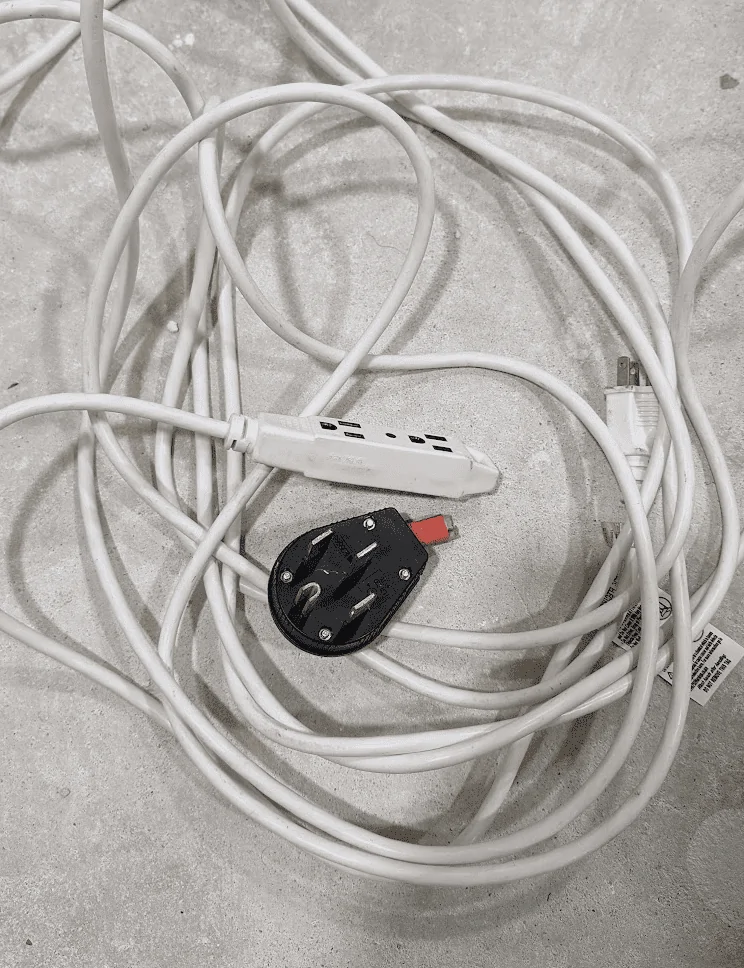
Cut off outlet portion on the extension cord and strip outer insulation. Inspect the wires and make sure they're proper gauge (a lot of fake wires out there lately)
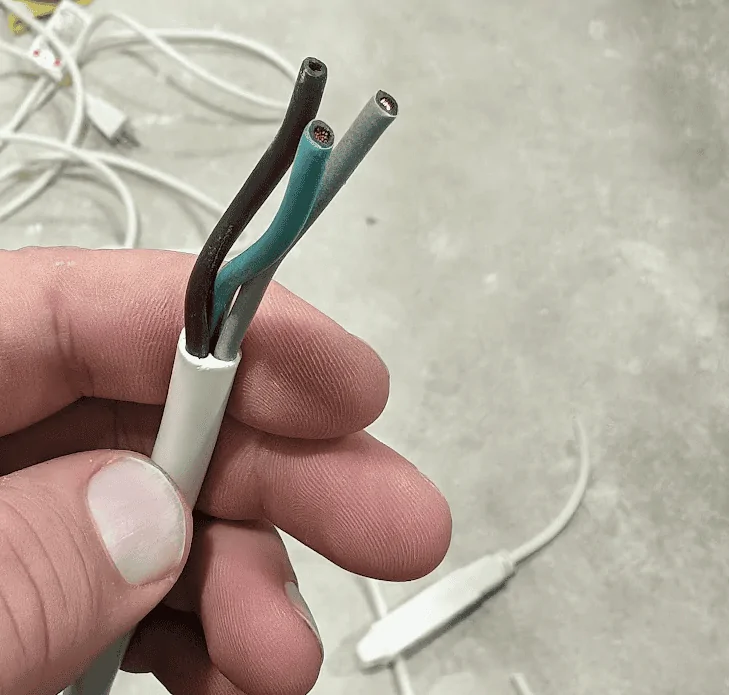
Another reason to use good quality cord - they're properly color-coded. Black is hot, grey is neutral and green is ground. If it's not color coded, you'll have to tone them out with a multimeter.
Now let's take a look at our 14-50 plug
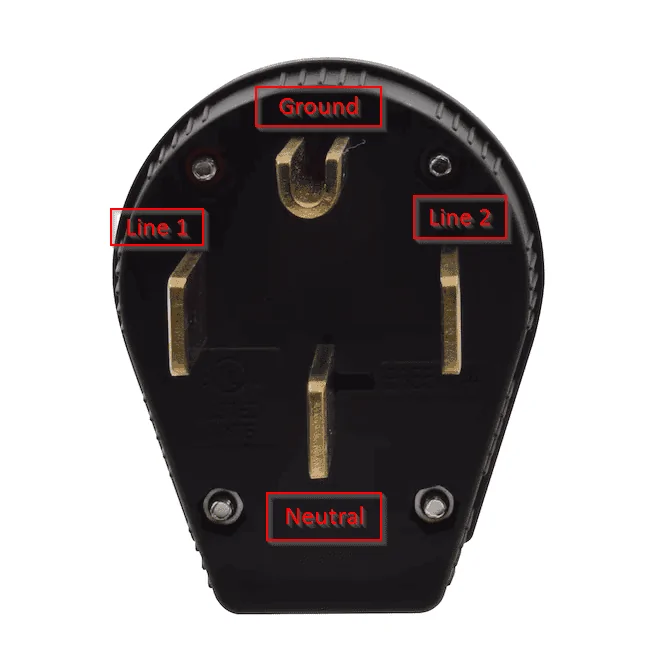
Idea is to connect black hot wire from the extension cord to both L1 to L2 and grey neutral to ground and neutral on 14-50 plug. We won't be using ground from the Rivian because that will trip on-board GFCI. This is how it looks like, I used scraps of 14 gauge copper Romex to bridge the connectors. Be VERY careful to not create a short circuit. After all set and done test continuity with a multimeter.
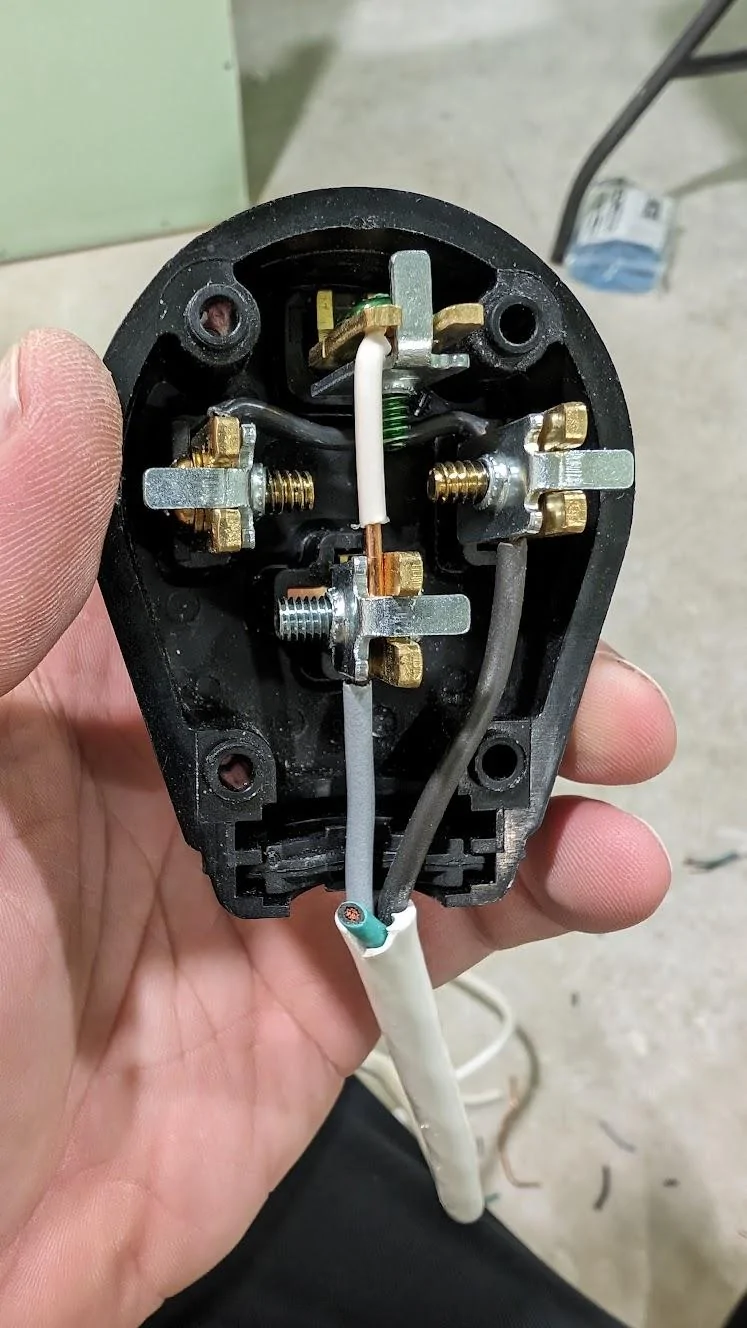
Here it is color-coded
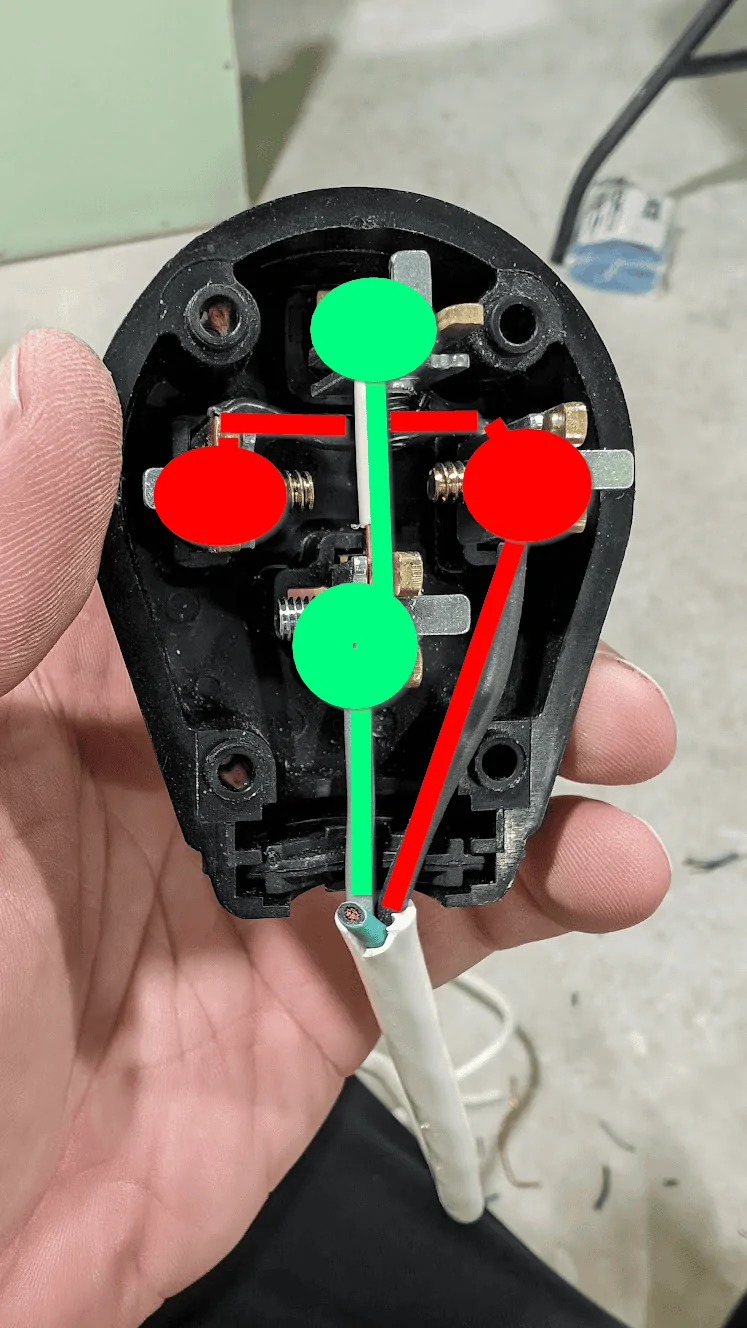
Red = hot, green = neutral. Cut the ground cable off and tape it off with electrical tape.
What you end up with is called suicide cord because both ends of it are exposed. THIS IS DANGEROUS AND YOU NEED TO ACCEPT THE RISKS IF YOU'RE GONNA DO THIS!
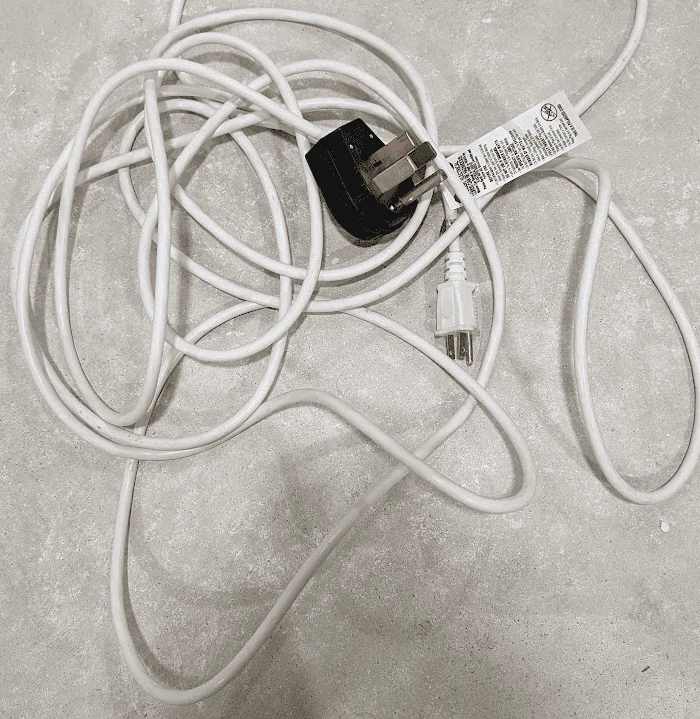
How to use it?
Again, I cannot reiterate this enough, make sure the main breaker is off!
* Flip all breakers off.
* Make sure 120v is off in Rivian.
* Place the cord on the ground with both plugs close to their outlets. Think of the cord and especially plugs as a bomb.
* First because the 14-50 leads are way more exposed connect it first.
* Connect other end to the Rivian. Even though power is off DO NOT touch the leads on either end of the cord.
* Turn on 120v power in Rivian
* Flip breaker for the 14-50 plug that the Rivian is connected to, your electrical panel is now energized.
* Test power by flipping a breaker that only powers lights or small appliances.
* If above test is successful then flip the rest of the single breakers. Keep double 240V breakers off. If there's no power still then triple check your wiring.
* Keep power usage to minimum. No window AC's, no vacuums, no compressors.
* I put my sump pumps on battery backup (standard 1500VA you can get at Costco). When the pump kicks in the voltage drop is pretty drastic so the UPS switches to battery. I guess same thing would apply to well pump but I never really dealt with them.
To disconnect
* Flip all breakers off
* Turn 120v off in Rivian
* Unplug plug from Rivian and leave the plug right there, don't move the entire cord. Again, the cord is a fucking bomb.
* Unplug 14-50 plug.
* Flip main breaker on and then the rest of them.
Sponsored
Last edited: