
Sponsored

Yossarian

Well-Known Member
Joined
Oct 20, 2020
Threads
45
Messages
934
Reaction score
922
Location
SE Pennsylvania
Vehicles
R1T,Telluride, Wee-Strom, Lynskey Cooper
This a rather basic question, from someone not at all familiar with EV's and charging.

At the start of the Munro video, he and one of his employees are shown wresting with a CCS plug and substantial length of power cable. I understand that the plug itself is larger and heavier than the NACS plug, but is the cabling that Tesla uses, presumably one that is rated for a current load similar to the one attached to the CCS plug, somehow lighter and easier to handle? Or is the cable simply shorter, and therefore lighter?

If this is not the case, isn't the Munro display at bit disingenuous?
Sponsored
 

scottf200

Well-Known Member
First Name
Scott
Joined
Nov 25, 2019
Threads
6
Messages
433
Reaction score
297
Location
WNC
Vehicles
Past Ford Exped; curr TMX 100D; future BEV truck/SUV
Occupation
sw engineer
This a rather basic question, from someone not at all familiar with EV's and charging.

At the start of the Munro video, he and one of his employees are shown wresting with a CCS plug and substantial length of power cable. I understand that the plug itself is larger and heavier than the NACS plug, but is the cabling that Tesla uses, presumably one that is rated for a current load similar to the one attached to the CCS plug, somehow lighter and easier to handle? Or is the cable simply shorter, and therefore lighter?

If this is not the case, isn't the Munro display at bit disingenuous?
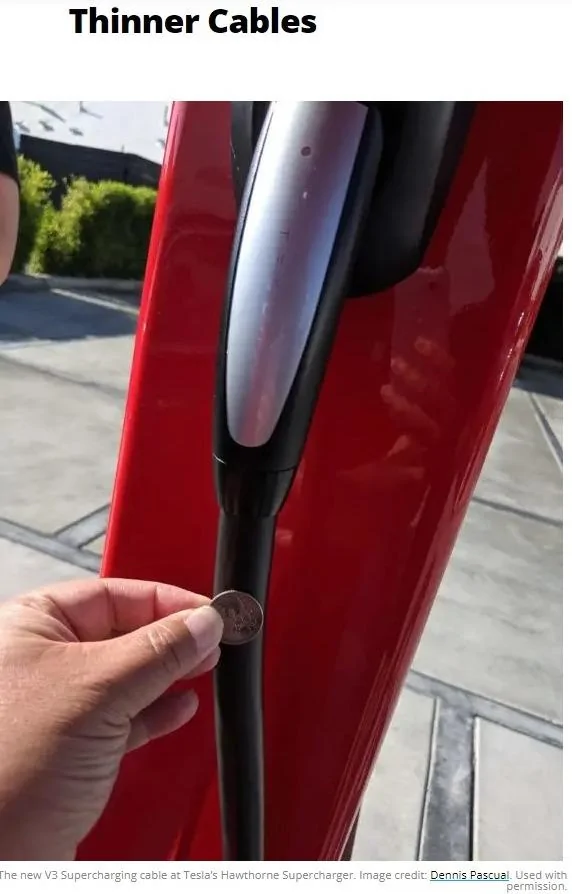
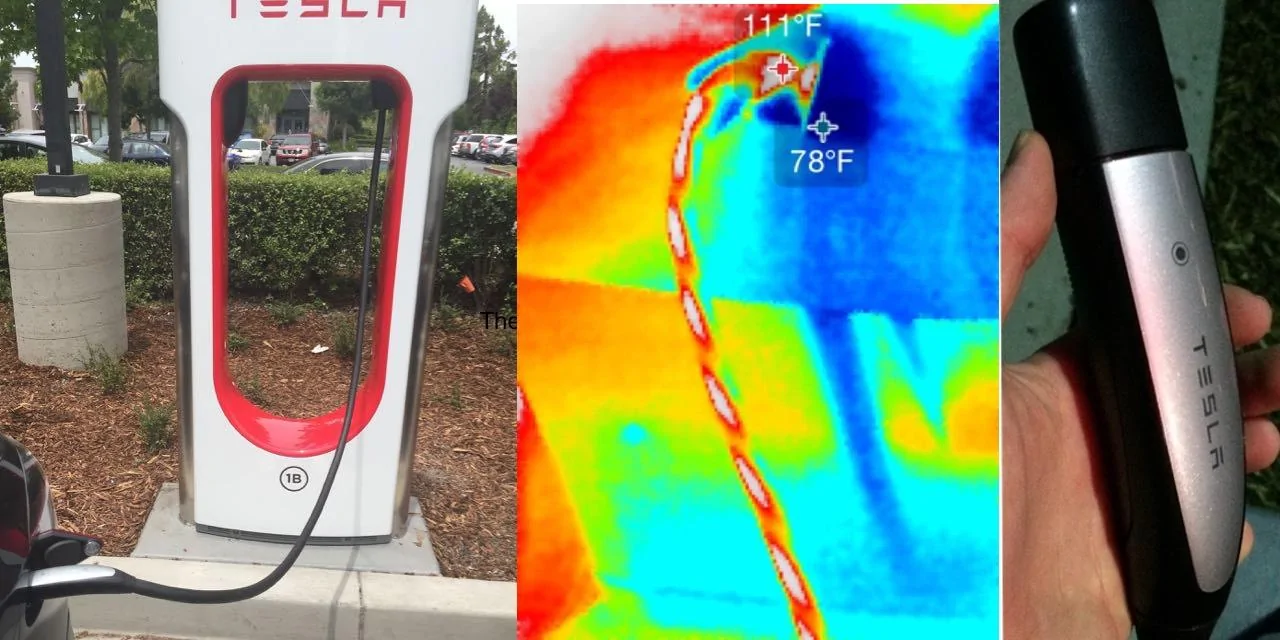
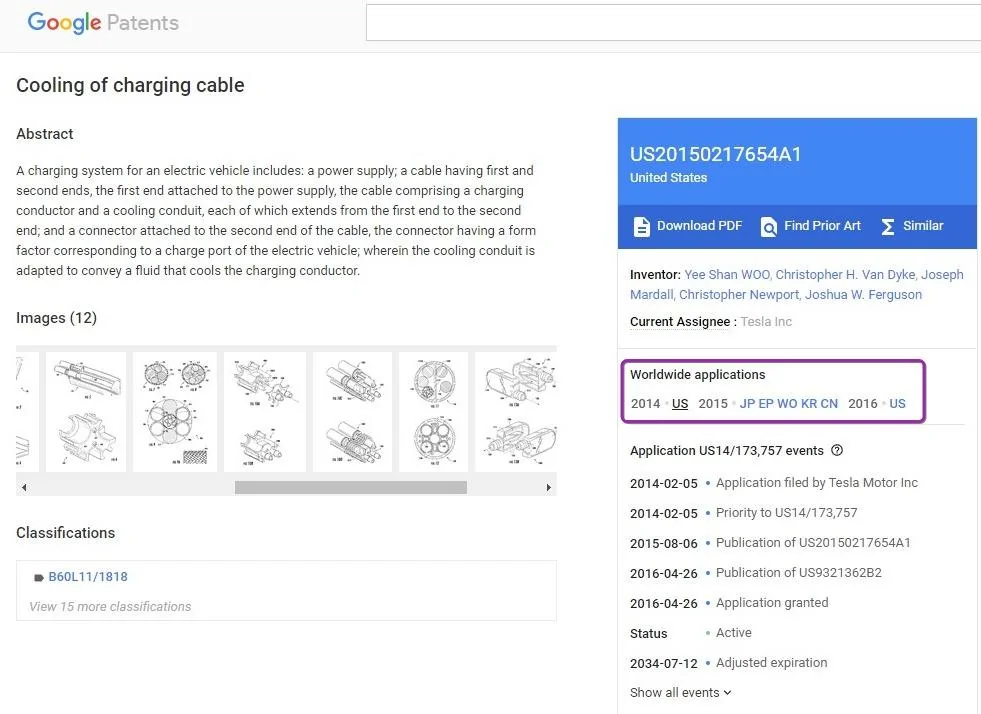
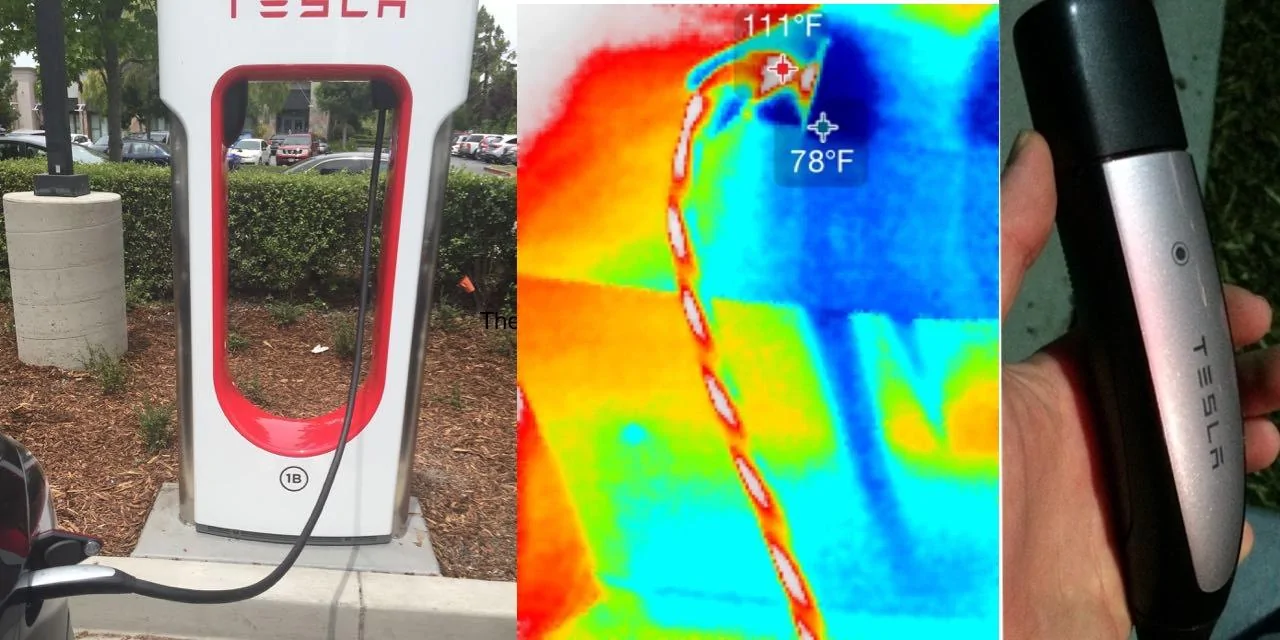
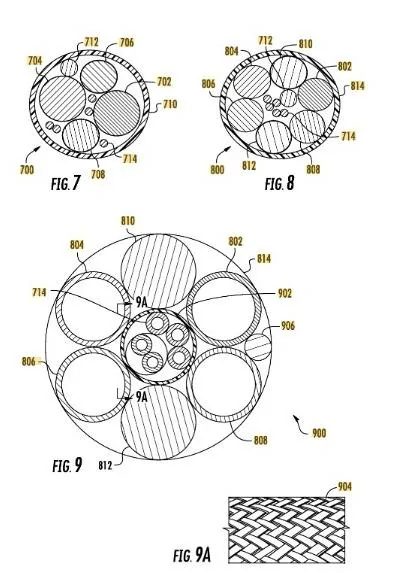
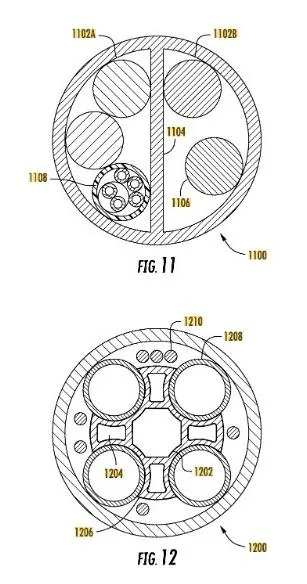
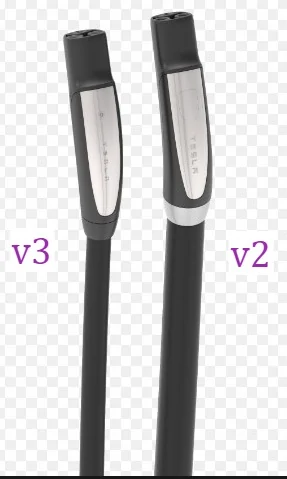
Thinner liquid cooled in the Tesla v3 supercharging cables.
v3 Superchargers are Ford and GM accessible. 12,000+
v3 Superchargers are in groups of 4. They also share 500 kW between these groups.
Definitely easier to maneuver.

Rivian R1T R1S GM adopts Tesla's NACS standard! Munro begs Rivian to switch 4EwlIbQ

Rivian R1T R1S GM adopts Tesla's NACS standard! Munro begs Rivian to switch spR9Ofd

Rivian R1T R1S GM adopts Tesla's NACS standard! Munro begs Rivian to switch mountian-view-supercharger
 

Longreach

Well-Known Member
Joined
May 1, 2022
Threads
0
Messages
141
Reaction score
274
Location
Texas
Vehicles
Miata
Okay, Jeff Bezos. I guess $5 Billion doesn't impress you much?

Remember. My beef isn't with NACS, its with letting an OEM who created the NACS charging infrastructure and controls nearly 100% of it, has a clear conflict of interest because they compete with the very OEMs using there infrastructure be in a position to monopolize the market.

This isn't about CCS vs NACS. It's about providing the best environment for the consumer. A charging standard that is truly open, isn't controlled or influenced heavily by a single private entity, and creates competition and innovation is a win for the consumer. Right now, this is a win for Tesla.
Do you really believe that the GM and Ford agreements don’t include a commitment to have the NACS design published by a recognized SDO (Standards Development Organization)? The IP has been offered, all it needs is to be accepted and published by an SDO, complete with Tesla’s commitment to FRAND licensing terms as a condition of acceptance, and then it is just as much a recognized standard as CCS-1.

And please don’t bring up CharIN, they are just an industry interest group, NOT an ANSI recognized SDO like SAE or IEEE. Besides, the Ford and GM committee members in CharIN are probably receiving new marching orders as we speak.

Once NACS is published as a recognized standard, then we can presume you no longer have any objections. Be patient, my friend… All will fall into place.
 

Autolycus

Well-Known Member
Joined
May 2, 2021
Threads
15
Messages
2,234
Reaction score
3,430
Location
ATL
Vehicles
ICE only :(
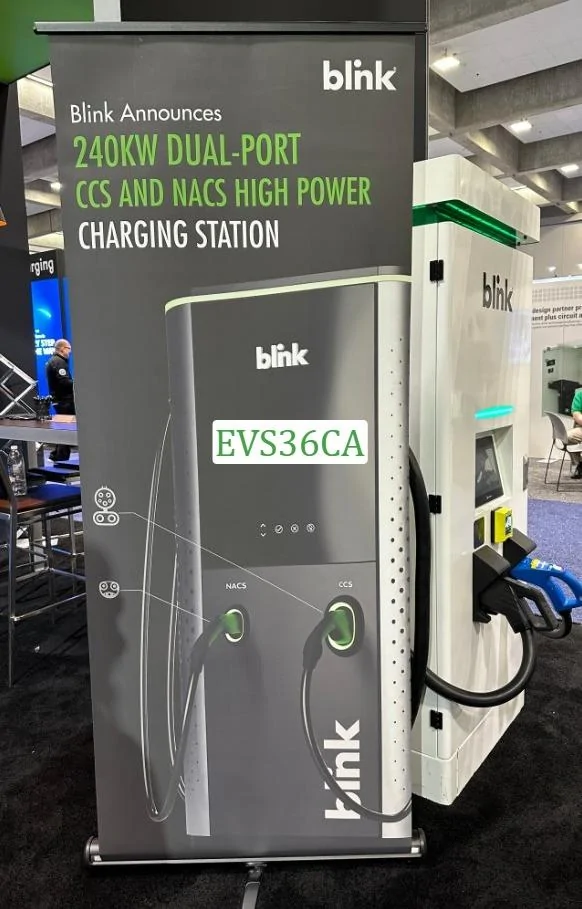
36th Electric Vehicle Symposium & Exposition @EVS36CA
Join global EV leaders in Sacramento, California for #evs36 on June 11-14, 2023.
oCANVxT.jpg
This is the ideal. Every new charging station should have this or something like Magic Dock. Yes, I mean EVERY charging station, including all of Tesla's superchargers. If Tesla had dual cables, they could have a longer CCS cable than their Tesla cable, which would alleviate some of the port location issues.

Of course, pull-through like gas-stations have would be ideal, but most locations don't really support that very well at this point.
 

Autolycus

Well-Known Member
Joined
May 2, 2021
Threads
15
Messages
2,234
Reaction score
3,430
Location
ATL
Vehicles
ICE only :(
And please don’t bring up CharIN, they are just an industry interest group, NOT an ANSI recognized SDO like SAE or IEEE. Besides, the Ford and GM committee members in CharIN are probably receiving new marching orders as we speak.
CCS is standardized by IEC, not CharIN. SAE is also involved to the extent that CCS Type 1 uses the SAE standard for the J1772 plug, which includes the ground and com pins shared by AC and DC charging.

CharIN doesn't set standards, but it does have influence over them, after taking input from all of its members, which includes Tesla. It is also open to any new entity joining, so it is completely neutral with respect to one manufacturer over another. Obviously Tesla can't say the same.
 

Sponsored

SASSquatch

Well-Known Member
Joined
Feb 3, 2022
Threads
36
Messages
2,303
Reaction score
4,471
Location
Washington DC
Vehicles
BMW i3s Ford C-Max Hybrid
Occupation
Semi-Autonomous Yeti
Clubs
 
Do you really believe that the GM and Ford agreements don’t include a commitment to have the NACS design published by a recognized SDO (Standards Development Organization)? The IP has been offered, all it needs is to be accepted and published by an SDO, complete with Tesla’s commitment to FRAND licensing terms as a condition of acceptance, and then it is just as much a recognized standard as CCS-1.

And please don’t bring up CharIN, they are just an industry interest group, NOT an ANSI recognized SDO like SAE or IEEE. Besides, the Ford and GM committee members in CharIN are probably receiving new marching orders as we speak.

Once NACS is published as a recognized standard, then we can presume you no longer have any objections. Be patient, my friend… All will fall into place.
1. The details of the agreement aren't public. Why is that?

2 I fully expect that NACS will be published as a recognized standard - that would be the next logical step. That doesn't solve the problem.

3. Tesla is forecast to make billions of dollars in the coming years from agreements with OEMS for sharing their charging infrastructure. Why is that? Because OEMs aren't interested in participating in building out infrastructure. Tesla owns 100% of the NACS infrastructure and any 3rd party player that tries to get involved moving forward will be crushed. That's a monopoly.

OEMs not named Ford and Tesla, if they decide to move forward with a NACS standard, need to work together to build a competitive network to the Tesla network that will also qualify for NEVI funding so that there can be a true open market approach to national infrastructure.
 

MP3Mike

Well-Known Member
Joined
Jun 9, 2023
Threads
0
Messages
85
Reaction score
101
Location
Oregon
Vehicles
Lots
I understand that the plug itself is larger and heavier than the NACS plug, but is the cabling that Tesla uses, presumably one that is rated for a current load similar to the one attached to the CCS plug, somehow lighter and easier to handle? Or is the cable simply shorter, and therefore lighter?
Shorter is part of it. But Tesla pushes ~700A through their V3 cables, while the CCS cables/spec are pretty much limited to 500A. Tesla has shown their V4 cables will be even thinner and provide more power handling capability, 1MW+.

Note: At this point I don't think that their cables are part of the NACS standard, so they aren't open for anyone to use without an agreement with Tesla. I really think that they should start selling V4 cables to DC fast charger manufacturers.
 

izgoy

Well-Known Member
Joined
Jun 5, 2023
Threads
6
Messages
289
Reaction score
252
Location
USA
Vehicles
ID.4 Model Y
This a rather basic question, from someone not at all familiar with EV's and charging.

At the start of the Munro video, he and one of his employees are shown wresting with a CCS plug and substantial length of power cable. I understand that the plug itself is larger and heavier than the NACS plug, but is the cabling that Tesla uses, presumably one that is rated for a current load similar to the one attached to the CCS plug, somehow lighter and easier to handle? Or is the cable simply shorter, and therefore lighter?

If this is not the case, isn't the Munro display at bit disingenuous?
Tesla uses shorter cables, so they can be of lesser gauge and still support the same amperage. The CCS1 cable with the CCS1 connector is unwieldy. I have to use two hands in the winter to plug it in, and I’m not a weak person. My wife had to use two hands in the summer. Some older people often can’t operate the CCS1 connector because it’s too heavy and rigid.

The NACS cable and connector are easy to operate, as both are smaller, less rigid, and significantly lighter.
 

Yossarian

Well-Known Member
Joined
Oct 20, 2020
Threads
45
Messages
934
Reaction score
922
Location
SE Pennsylvania
Vehicles
R1T,Telluride, Wee-Strom, Lynskey Cooper
Shorter is part of it. But Tesla pushes ~700A through their V3 cables, while the CCS cables/spec are pretty much limited to 500A. Tesla has shown their V4 cables will be even thinner and provide more power handling capability, 1MW+.

Note: At this point I don't think that their cables are part of the NACS standard, so they aren't open for anyone to use without an agreement with Tesla. I really think that they should start selling V4 cables to DC fast charger manufacturers.
Is the NACS plug less capable or perhaps even useless if it doesn't incorporate the Tesla cables? If it's truly the case that the cables remain proprietary and are not part of the NACS standard, won't that mean that EVSE makers will still have to license (or purchase) those proprietary cables from Tesla?
 

zefram47

Well-Known Member
First Name
Aaron
Joined
Feb 6, 2022
Threads
18
Messages
2,752
Reaction score
4,515
Location
Denver, CO
Vehicles
Rivian R1T, Alfa Romeo 4C
Occupation
Software Engineer
The NACS cable and connector are easy to operate, as both are smaller, less rigid, and significantly lighter.
No, you describe the Tesla cable. There is no NACS cable. And as yet there is no plan for Tesla to sell cables to equipment manufacturers. There is zero expectation that cables will get any easier to manage just because there is a Tesla connector attached to it.
 

Sponsored

scottf200

Well-Known Member
First Name
Scott
Joined
Nov 25, 2019
Threads
6
Messages
433
Reaction score
297
Location
WNC
Vehicles
Past Ford Exped; curr TMX 100D; future BEV truck/SUV
Occupation
sw engineer
No, you describe the Tesla cable. There is no NACS cable. And as yet there is no plan for Tesla to sell cables to equipment manufacturers. There is zero expectation that cables will get any easier to manage just because there is a Tesla connector attached to it.
I don't think you are taking into consideration the integration between the connector and cable and what *sustained* kW that helps enable.

Rivian R1T R1S GM adopts Tesla's NACS standard! Munro begs Rivian to switch 2N43Yk1

Rivian R1T R1S GM adopts Tesla's NACS standard! Munro begs Rivian to switch mountian-view-supercharger-jpg


Rivian R1T R1S GM adopts Tesla's NACS standard! Munro begs Rivian to switch TvbSQ56
|
Rivian R1T R1S GM adopts Tesla's NACS standard! Munro begs Rivian to switch wkxU0v


Rivian R1T R1S GM adopts Tesla's NACS standard! Munro begs Rivian to switch tqj20um
|
Rivian R1T R1S GM adopts Tesla's NACS standard! Munro begs Rivian to switch ggTgA7L
 
Last edited:

MP3Mike

Well-Known Member
Joined
Jun 9, 2023
Threads
0
Messages
85
Reaction score
101
Location
Oregon
Vehicles
Lots
Is the NACS plug less capable or perhaps even useless if it doesn't incorporate the Tesla cables? If it's truly the case that the cables remain proprietary and are not part of the NACS standard, won't that mean that EVSE makers will still have to license (or purchase) those proprietary cables from Tesla?
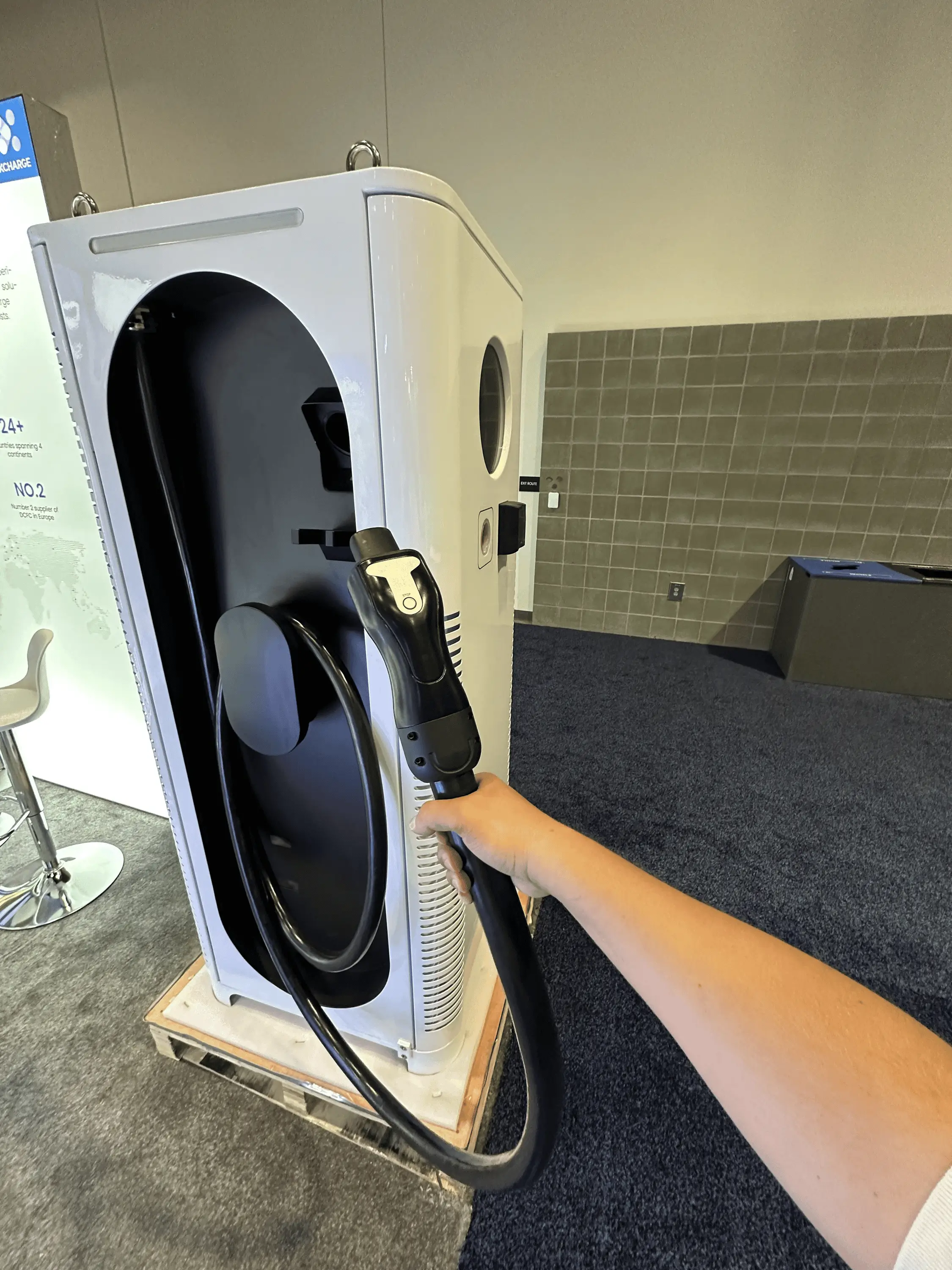
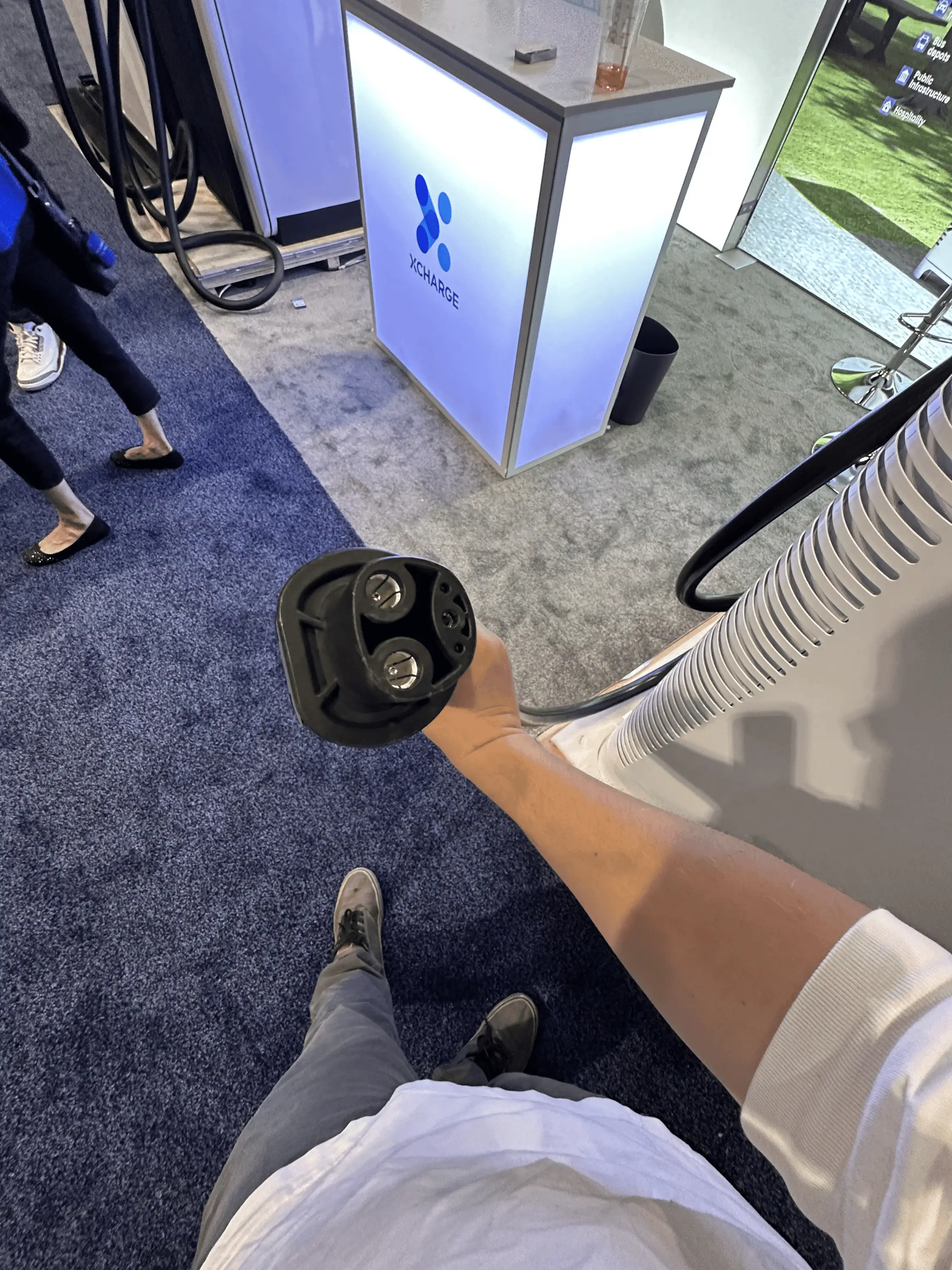
No, it just means that they have to have their own cable. There are already charging providers that have a NACS connector on the end of their own cables, some of them are pretty bad, like this one:

Rivian R1T R1S GM adopts Tesla's NACS standard! Munro begs Rivian to switch 1686527012073
Rivian R1T R1S GM adopts Tesla's NACS standard! Munro begs Rivian to switch 1686527059756


The NACS spec really only covers the "mating" portion of the connector. Everything beyond that is up to the designer of that individual connector.
 

scottf200

Well-Known Member
First Name
Scott
Joined
Nov 25, 2019
Threads
6
Messages
433
Reaction score
297
Location
WNC
Vehicles
Past Ford Exped; curr TMX 100D; future BEV truck/SUV
Occupation
sw engineer
No, it just means that they have to have their own cable. There are already charging providers that have a NACS connector on the end of their own cables, some of them are pretty bad, like this one:
The NACS spec really only covers the "mating" portion of the connector. Everything beyond that is up to the designer of that individual connector.
Well the definition does specify a "keep out zone"

https://tesla-cdn.thron.com/static/...Technical_Specification_TS-0023666_HFTPKZ.pdf
5.1.4 Keep Out Zone
The design of the connector must remain within the
keep out zone dimensioned below in order to prevent
clashes or contact with the vehicle body.
Keep Out
Zone geometry is identical between the 500V and
1,000V configurations
 

izgoy

Well-Known Member
Joined
Jun 5, 2023
Threads
6
Messages
289
Reaction score
252
Location
USA
Vehicles
ID.4 Model Y
No, you describe the Tesla cable. There is no NACS cable. And as yet there is no plan for Tesla to sell cables to equipment manufacturers. There is zero expectation that cables will get any easier to manage just because there is a Tesla connector attached to it.
Tesla uses much thinner cables at DC chargers than the cables used at CCS chargers. I never said they were made by Tesla. I called them NACS cables because they are connected to NACS handles. If I called them Tesla cables, you would jump on me too. How would you like me to refer to them?

I hope you actually know what you are talking about, as anyone who ever used a Supercharger immediately noticed how much easier the handle and the cable were to operate because the cable is thinner and weighs significantly less, while the handle is much smaller and easy to plug in.
 
Last edited:

Yossarian

Well-Known Member
Joined
Oct 20, 2020
Threads
45
Messages
934
Reaction score
922
Location
SE Pennsylvania
Vehicles
R1T,Telluride, Wee-Strom, Lynskey Cooper
No, it just means that they have to have their own cable. There are already charging providers that have a NACS connector on the end of their own cables, some of them are pretty bad, like this one:

1686527012073.webp


. . .
It's hard to tell from the photos, but that cable looks similar in diameter to the one mated to the CCS connector in the Munro video. If EVSE makers don't use the Tesla cabling, or come up with a different design on their own that mimics it (without triggering an IP lawsuit), that would wipe out some of the advantage of the NACS charging system, no? Yes you's still have a lighter, easier to handle plug, but you'd still need to wrestle the heavier cable.
Sponsored


Top