
Sponsored
Keeping the media honest! "You're Being Lied to About Electric Cars" article by Motortrend

TAZ
Well-Known Member
It was an interesting read but they missed the end of the story. What happens to the batteries, recycling of parts when the vehicles are end of life. That would have provided the complete picture otherwise great info.

COdogman
Well-Known Member
Great article. EV production isn’t perfect, but it will get more sustainable over time. Until then we should do what we can. Memes are not the best way to get information about pretty much anything 

MountainBikeDude
Well-Known Member
Here's also a fairly comprehensive article on battery recycling techniques etc from CBC
https://www.cbc.ca/news/science/ask-electric-vehicle-battery-faq-1.6468646
https://www.cbc.ca/news/science/ask-electric-vehicle-battery-faq-1.6468646
HighVoltOverland
Well-Known Member
- Joined
- Jul 6, 2021
- Threads
- 21
- Messages
- 752
- Reaction score
- 1,564
- Location
- Laguna Beach
- Vehicles
- GW/OC R1T | Tesla MY
- Occupation
- Retired-ish
I think beyond the coal argument (and how due to efficiency it becomes a bit of a moot point) another important discussion to have with "sincere" naysayers is the consistent cycle of improvement and changes in battery chemistry.
While Lithium and Cobalt to come with concerns it is worth noting that there are alternate chemists being developed that could mitigate/ eliminate the need for rare earth metals.
I for one amvery excited and intrigued at the work being done with Grpahene-Aluminum Batteries
While Lithium and Cobalt to come with concerns it is worth noting that there are alternate chemists being developed that could mitigate/ eliminate the need for rare earth metals.
I for one amvery excited and intrigued at the work being done with Grpahene-Aluminum Batteries
Sponsored
COdogman
Well-Known Member
That’s a legitimate argument to have. Debating whether an EV is better or *worse* for the environment is just a waste of time.I think beyond the coal argument (and how due to efficiency it becomes a bit of a moot point) another important discussion to have with "sincere" naysayers is the consistent cycle of improvement and changes in battery chemistry.
While Lithium and Cobalt to come with concerns it is worth noting that there are alternate chemists being developed that could mitigate/ eliminate the need for rare earth metals.
I for one amvery excited and intrigued at the work being done with Grpahene-Aluminum Batteries
I feel like the search for the ideal battery chemistry will be decades long and even by the time I leave this earth there will still be advancements being made. So I say buy what today’s improvement is, not waiting for the one 5 years from now.
RBR1S
Well-Known Member
- Joined
- Apr 20, 2022
- Threads
- 21
- Messages
- 400
- Reaction score
- 478
- Location
- Kirkland, WA
- Vehicles
- R1S preorder holder; '14 JGC,'20 Subaru Crosstrek
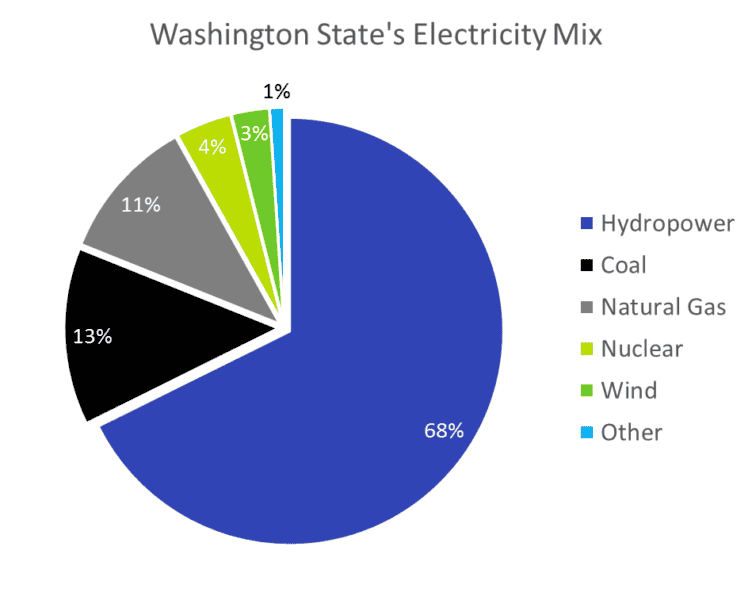
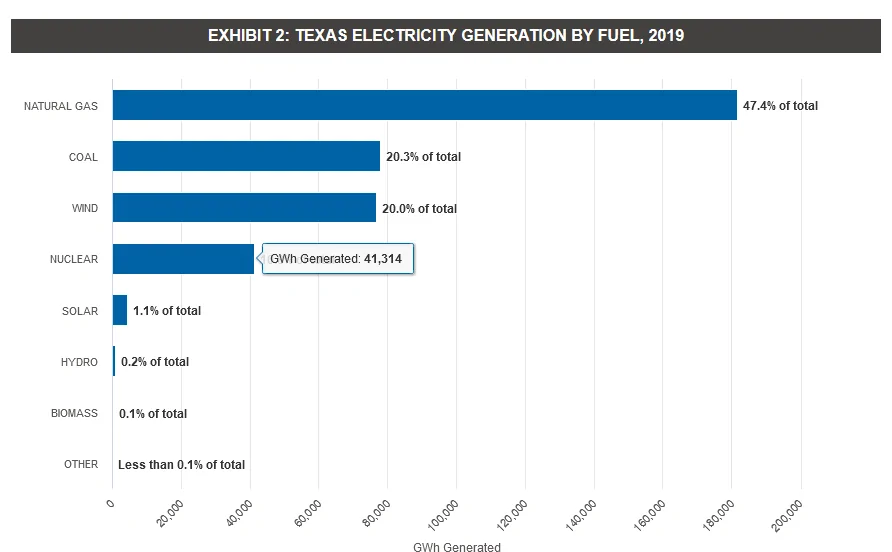
Good article - BUT it also depends on what state you are charging your vehicle in. No not from 20% to 80%, but the STATE - eg Washington State. Vs oh, lets say Texas.
75% of electricity comes from renewable or non-fossil fuel sources in Washington; mostly hydro-power. Texas on the other hand only about 33% comes from renewable or non-fossil fuel sources; most from Natural Gas or Coal
So while you might be driving an EV, the same EV is "cleaner" depending on where you charge and where that power comes from. The numbers mentioned in the OPs article change dramatically based on that.


75% of electricity comes from renewable or non-fossil fuel sources in Washington; mostly hydro-power. Texas on the other hand only about 33% comes from renewable or non-fossil fuel sources; most from Natural Gas or Coal
So while you might be driving an EV, the same EV is "cleaner" depending on where you charge and where that power comes from. The numbers mentioned in the OPs article change dramatically based on that.
SANZC02
Well-Known Member
- First Name
- Bob
- Joined
- Feb 11, 2021
- Threads
- 50
- Messages
- 7,469
- Reaction score
- 12,808
- Location
- California
- Vehicles
- Tesla Model S, LE - R1S
- Occupation
- Retired
True but natural gas is by far the cleanest of fossil fuels and is mostly considered a clean fuel so the number really would be considered much higher than 33% in the comparison to gas and diesel fueled vehicles.Good article - BUT it also depends on what state you are charging your vehicle in. No not from 20% to 80%, but the STATE - eg Washington State. Vs oh, lets say Texas.
75% of electricity comes from renewable or non-fossil fuel sources in Washington; mostly hydro-power. Texas on the other hand only about 33% comes from renewable or non-fossil fuel sources; most from Natural Gas or Coal
So while you might be driving an EV, the same EV is "cleaner" depending on where you charge and where that power comes from. The numbers mentioned in the OPs article change dramatically based on that.

thrill
Well-Known Member
- First Name
- billy
- Joined
- Jan 14, 2020
- Threads
- 24
- Messages
- 901
- Reaction score
- 1,738
- Location
- South Carolina
- Vehicles
- i3s, (r1t)
Memes are not the best way to get information about pretty much anything


Count Orlok
Well-Known Member
- Joined
- May 17, 2022
- Threads
- 185
- Messages
- 2,577
- Reaction score
- 5,387
- Location
- Wisconsin & New Mexico
- Vehicles
- 2022 R1S/ 2024 INEOS Grenadier/ 1969 Ford / etc.
- Occupation
- retired
cool cool... now compare the lifetime environmental impact of a four-horse buggy with a Karl Benz Mortorwagon.
Sponsored

SSteveEV
Well-Known Member
I thought this article did a good job overall but another missing factor I think most ratings/comparisons gloss over is vampire drain. An EV driven 20k miles per year is a lot cleaner than an EV driven 2k mi/yr on a per mile basis. Anyone know if EPA ratings have a set number of miles per year used and factor that in?
Contemplated having a tesla as a car at a vacation home but ended up being pretty wasteful for such little use. (plan is to add solar to negate this eventually)
And yes I used the term "gloss over" directly after reading through a 48 page thread here on vampire drain, so I meant that more for sources outside of this forum haha
Contemplated having a tesla as a car at a vacation home but ended up being pretty wasteful for such little use. (plan is to add solar to negate this eventually)
And yes I used the term "gloss over" directly after reading through a 48 page thread here on vampire drain, so I meant that more for sources outside of this forum haha
NormalLife
Well-Known Member
- First Name
- Michael
- Joined
- Sep 18, 2022
- Threads
- 0
- Messages
- 70
- Reaction score
- 41
- Location
- Austin, TX
- Vehicles
- Audi A6, Audi e-tron
- Occupation
- Med Device
Yes, very good point. I do live in Texas and know the predominant energy sources in the state, especially with its own grid. I don't mean my next comment as something that everyone can do. Not everyone has the means (both logistically and cost wise), but Texas energy sources is one reason I have solar. Only one EV at the moment, but I still produce 100% or more of my electricity needs for my home... and I only charge the EV at home. I am still "on the grid" but trying to do my part to offset. Hopefully that makes my choice to go EV a little cleaner in this state! But, who really knows?Good article - BUT it also depends on what state you are charging your vehicle in. No not from 20% to 80%, but the STATE - eg Washington State. Vs oh, lets say Texas.
75% of electricity comes from renewable or non-fossil fuel sources in Washington; mostly hydro-power. Texas on the other hand only about 33% comes from renewable or non-fossil fuel sources; most from Natural Gas or Coal
So while you might be driving an EV, the same EV is "cleaner" depending on where you charge and where that power comes from. The numbers mentioned in the OPs article change dramatically based on that.

Riviot
Well-Known Member
- Joined
- Mar 29, 2021
- Threads
- 121
- Messages
- 6,441
- Reaction score
- 10,894
- Location
- Kitsap, WA
- Vehicles
- R1T
How do you eat a Motorwagon?cool cool... now compare the lifetime environmental impact of a four-horse buggy with a Karl Benz Mortorwagon.
...One bite at a time.

jollyroger
Well-Known Member
- First Name
- Jeffrey
- Joined
- Apr 8, 2022
- Threads
- 20
- Messages
- 482
- Reaction score
- 571
- Location
- California
- Vehicles
- Tesla model 3, R1T
- Occupation
- IT Manager
I still think EV wins. Don't horses fart as much as cowscool cool... now compare the lifetime environmental impact of a four-horse buggy with a Karl Benz Mortorwagon.

Similar threads


- Replies
- 348
- Views
- 102,406
