starbux
Well-Known Member
- First Name
- Dom
- Joined
- Sep 7, 2024
- Threads
- 16
- Messages
- 96
- Reaction score
- 438
- Location
- Gig Harbor, WA
- Vehicles
- R1T
- Thread starter
- #1
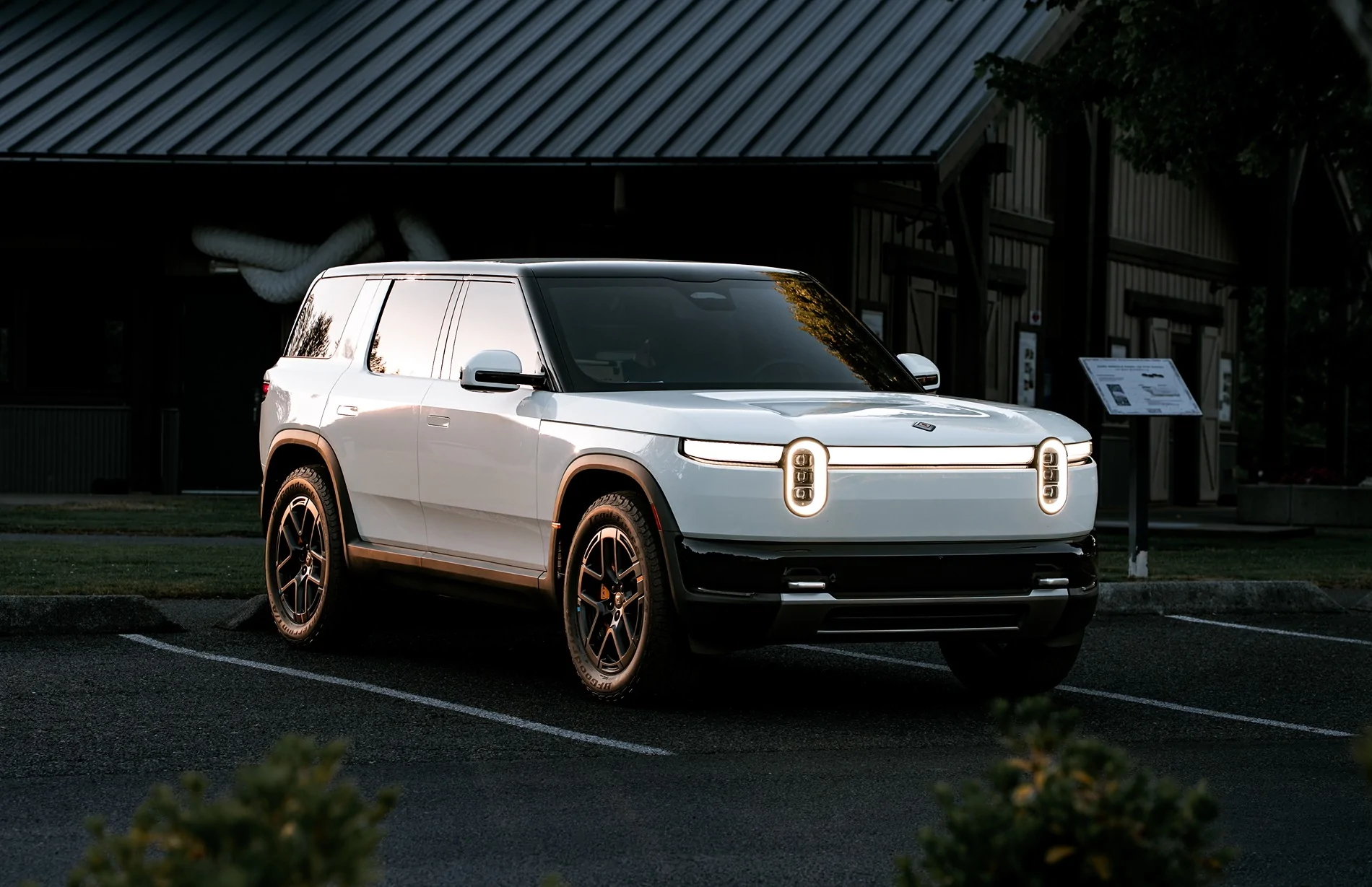
Why I Traded My Rivian R1T Tri Max for a Rivian R2
The biggest reason I traded my Rivian R1T Tri Max for the R2 was the amount of driving I do. I had already put approximately 46,000 miles on the R1T and was quickly approaching the end of its mileage-based comprehensive warranty. Since I use my vehicle for my real estate media business, content creation, road trips and volunteer search-and-rescue work, adding another 4,000 miles would not have taken long. Continuing to drive it meant increasing the risk of expensive out-of-warranty repairs while also reducing its value.
The R1T still had a strong trade-in value, with Rivian offering approximately $65,500, which was more than I owed. Lower-mileage Tri Max models were trading for significantly more, showing how much my heavy driving had already affected its value. Trading it while I still had positive equity allowed me to move into a brand-new R2 with a fresh warranty instead of continuing to put thousands of miles on a vehicle that originally cost around $110,000.
The R2 is a lesser vehicle in some ways. It is smaller, less powerful and does not have every premium feature found in the R1T, but it better fits how I actually use my vehicle. I do not need three rows of seating, and most of the time it is just me, my camera equipment and Maple in the back seat. The R2 provides roughly the same estimated range while using less energy, which should reduce my electricity use and charging needs across the thousands of miles I drive each month.
The R1T also served as a business asset, generating revenue through photography, licensed images, brand partnerships and monetized content while providing eligible business deductions. I used it for approximately 46,000 miles, made money with it and received more for the trade than I owed. Moving into the R2 gives me a newer, more efficient and less expensive vehicle that I can continue using heavily without feeling like I am rapidly depreciating something worth more than $100,000. For me, it was the smarter financial and practical choice.
A Different Rivian Delivery Experience
The delivery process was fine overall, but it was probably my least enjoyable of the three Rivian deliveries I have experienced. There were several communication issues leading up to the appointment. Rivian had updated my purchase documents multiple times, but I was not always notified when something new appeared in the app.
The night before delivery, I opened the Rivian app and found another purchase agreement waiting to be signed. Nobody had texted or called to tell me it was there. That was concerning because Washington has had specific rules surrounding direct-to-consumer vehicle purchases and when paperwork can be issued before delivery. I immediately signed everything, but I still worried that the timing could delay the vehicle again.
The delivery had already been pushed back once because the R2 was not ready after its inspection. Since I use these vehicles for my business, delivery delays also affect my work schedule and income.
Fortunately, the paperwork did not prevent me from taking delivery.
The handoff itself was relatively quick and uneventful. Because I have already owned two Rivians, I did not need a detailed explanation of every basic feature. The employees also preferred not to be recorded, so I completed most of the setup and walkthrough on my own after leaving the delivery area.
I understand that Rivian is preparing to deliver the R2 at a much higher volume than the R1. The process may naturally become faster and more standardized, but the experience did feel less personal than my previous deliveries.
First Look at My Rivian R2
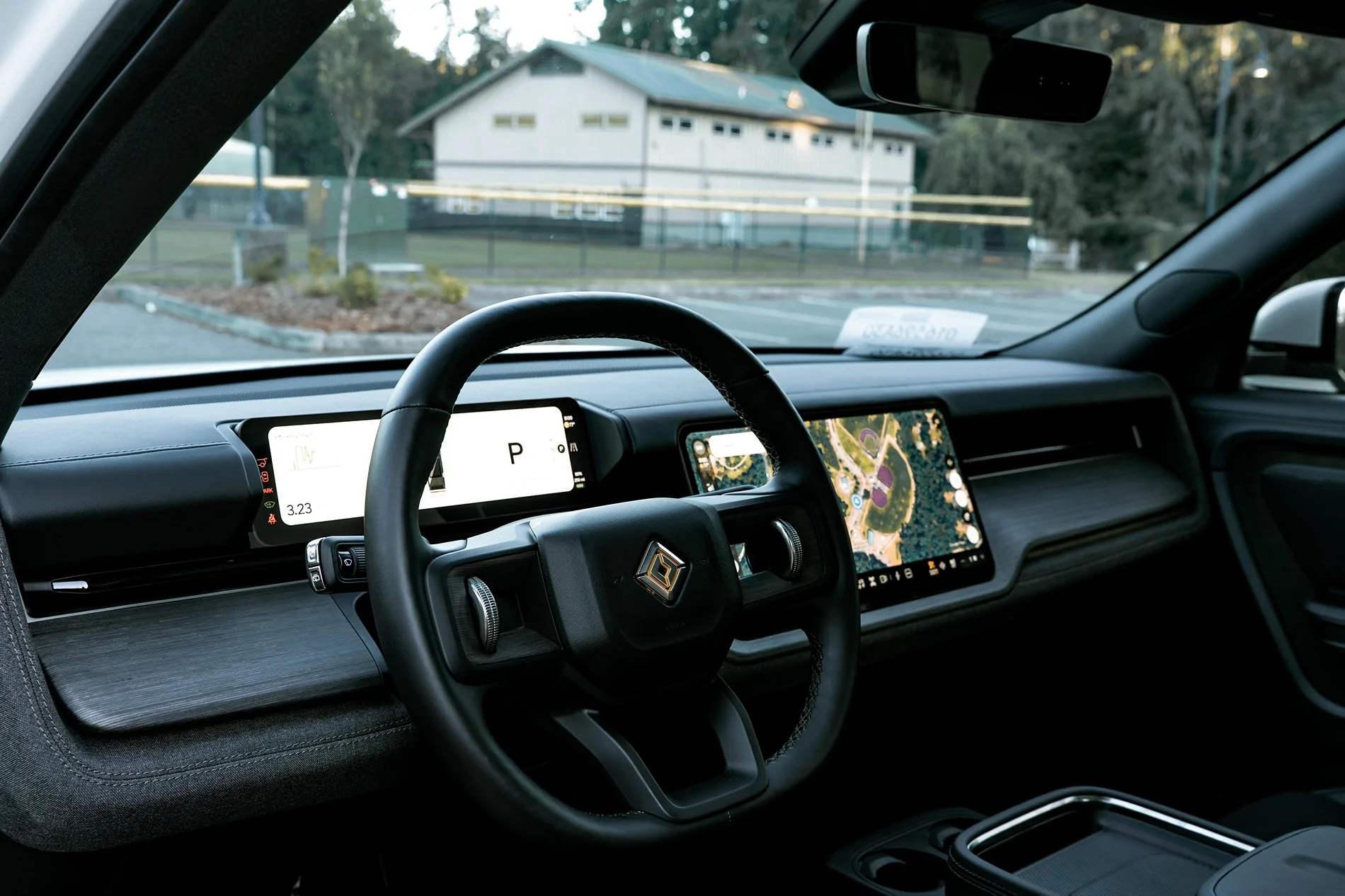
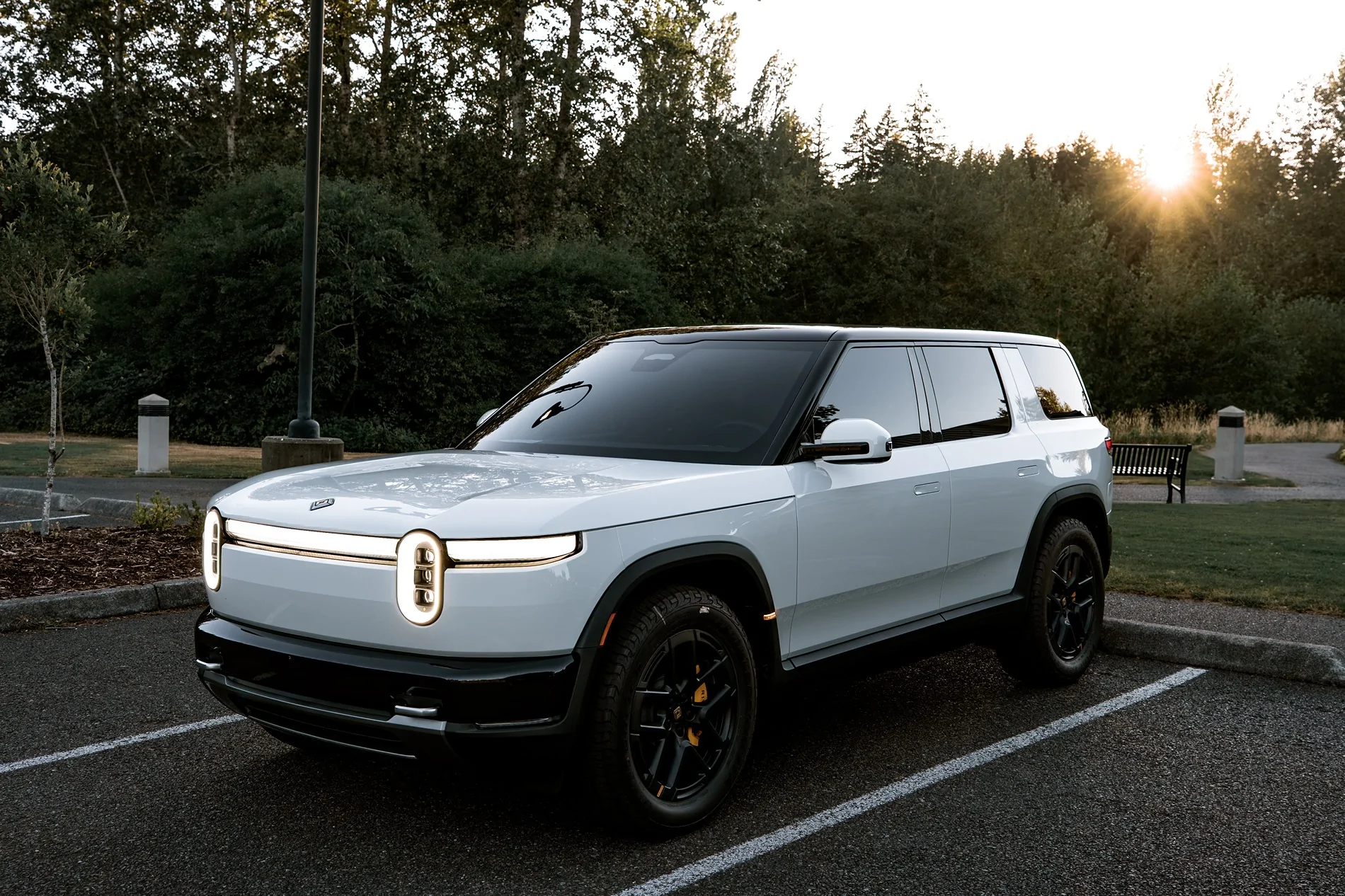
My first reaction was that the R2 looked better and larger in person than it did in many of the photos.
When it is parked beside an R1T or R1S, the R2 can look small. Standing alone, it is still a reasonably sized SUV. It feels more compact and manageable, but it does not feel like a tiny crossover.
The overall design still looks unmistakably Rivian. It has the familiar lighting, upright profile and adventurous appearance, but in a smaller package.
My R2 was delivered with only 10 miles on the odometer. It also has a relatively low VIN, making it one of the earlier customer vehicles.
The vehicle came with 20-inch wheels and BFGoodrich Trail-Terrain tires. A lot of people have referred to these as all-terrain tires, but they are really a less aggressive trail-focused tire. I plan to test them properly before making a final judgment.
Setting Up the Interior
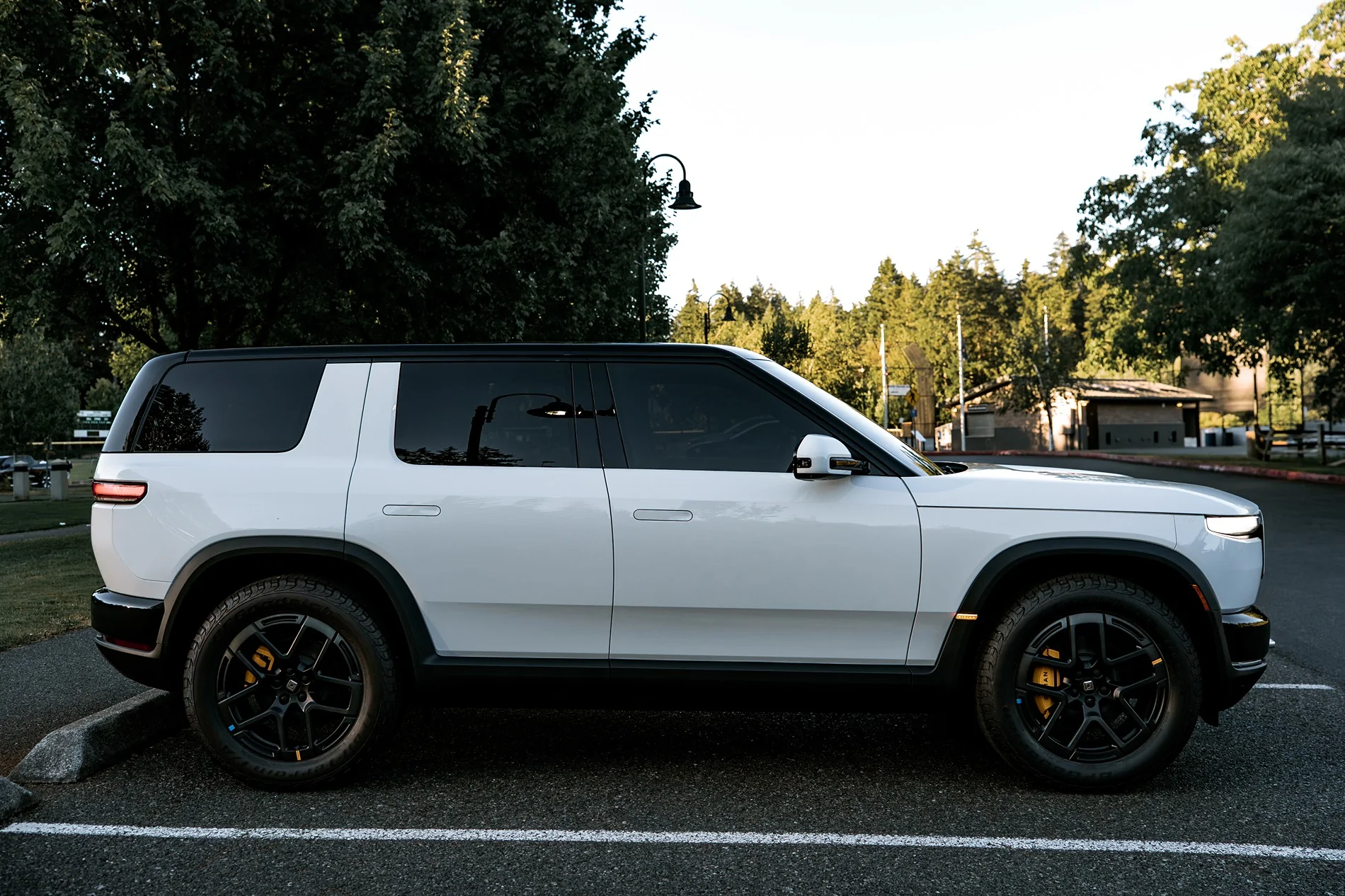
Once I had some time alone with the R2, I began going through the initial setup process.
The vehicle walked me through the steering-wheel controls, driver display, center screen, mirrors, seat position, navigation and driver-assistance settings.
The tutorial was surprisingly useful. Even as someone who has owned multiple Rivians, the R2 has enough new controls and interface changes that the walkthrough helped me understand how everything worked.
The new steering-wheel controls can be used to adjust several different vehicle functions depending on what is selected on the screen. The center display also allows certain information panels to be moved from one side to the other.
I adjusted my navigation preferences, enabled traffic information, selected satellite view and reduced the navigation voice volume. I also configured the vehicle to prioritize higher-speed charging stations.
I turned on the safety and driver-assistance features I normally use, including emergency braking, lane-departure warnings, parking assistance and smart turn signals.
Naturally, I also had to name the vehicle.
Since the R2 is white, I named it Tony Montana.
Exploring the R2’s Features
The R2 may cost significantly less than an R1, but it still has many of the features that make a Rivian feel special.
The exterior cameras immediately stood out. The image quality looked noticeably sharper than what I had experienced in my previous R1T. Rivian has described the cameras as 4K, and this time the displayed image actually looked much closer to what I would expect from that resolution.
The R2 also includes Gear Guard, motion camera recording, pet comfort mode, car wash mode, outlet controls, hotspot connectivity and customizable lighting.
The hotspot can reportedly support up to eight connected devices, which could be useful for road trips, camping and business use.
Some features are different from the R1. For example, the rear closure is soft-close rather than fully powered. That is one of the areas where the R2 reminds you that it is a less expensive vehicle.
I do not necessarily consider that a major problem. The R2 was never supposed to include every premium feature found in an R1.
Testing Launch Mode
The R2 also includes multiple drive modes, including All-Purpose, Sport, Rally and Soft Sand.
I was surprised to see launch mode available, so naturally I had to try it.
The acceleration did not hit as violently as the R1T Tri Max, but it was still quick. The power seemed to build more gradually before pulling strongly.
That difference makes sense. The R1T Tri Max is an extremely powerful performance truck. The R2 does not need to match it to feel fast or entertaining.
Even during that first drive, the R2 still felt like a Rivian. It felt responsive, familiar and fun, just in a smaller and less expensive package.
A $60,000 Vehicle Instead of a $110,000 Vehicle
My R1T Tri Max was roughly a $110,000 vehicle. A similarly equipped replacement R1 could easily cost $115,000 or more.
The R2 is approximately a $60,000 vehicle.
That difference matters when you use and abuse a vehicle as much as I do. It is easier to justify adding tens of thousands of miles to a $60,000 vehicle than to a vehicle costing nearly twice as much.
The R2 may be a lesser vehicle when comparing certain specifications and luxury features, but that does not mean it is a worse choice for my life.
I do not need three rows of seating. I do not have multiple children. Most of the time, it is just me, my camera equipment and Maple riding in the back seat.
The smaller footprint may actually make the R2 easier to use every day.
Business and Tax Considerations
Both the R1T and R2 are used as business vehicles.
My vehicles help me travel to real estate photography appointments, create commercial photography, produce YouTube videos and complete content projects for automotive and outdoor brands.
The R1T was not simply a personal expense. It generated revenue.
During my ownership, I completed photography licensing projects and brand work involving companies such as Rivian, Black Rhino and Super Pacific. The truck also appeared in monetized videos and social media content.
Because it was used for business, I was also able to deduct eligible vehicle expenses and depreciation.
The R2 continues serving the same purpose. It weighs more than 6,000 pounds, which may affect how it qualifies for certain business depreciation rules, depending on how the vehicle and deduction are structured.
That does not mean the vehicle is free, but the business use, tax benefits and income generated through content all affect the true cost of ownership.
The R1T helped make money for my business. Now the R2 will have the opportunity to do the same.
Better Efficiency for the Miles I Drive
The R2 should also be more efficient than the R1T.
Both vehicles offer roughly 308 miles of estimated range in my configurations, but the R2 should require less electricity to travel that distance.
Since I drive thousands of miles per month, even a relatively small efficiency improvement can reduce my electricity usage over time.
My electricity is already inexpensive, so the savings may not completely transform my budget. Still, using less energy to travel the same distance is an advantage.
It should also mean less time spent charging and more usable mileage from every kilowatt-hour.
Is the Rivian R2 a Lesser Vehicle?
Yes, in some ways it is.
The R2 has fewer premium features. It is smaller, less powerful and less expensive. Certain features from the R1 have been simplified or removed.
However, it still drives and feels like a Rivian.
It has the software, design, technology, utility and adventurous personality that attracted many of us to the brand in the first place.
The most expensive vehicle is not automatically the best vehicle for every owner.
For the amount of driving I do, the R2 may be the more responsible choice. It gives me the Rivian experience without putting extreme mileage on a vehicle costing well over $100,000.
Would I Buy Another R1?
Absolutely.
Moving into the R2 does not mean I suddenly dislike the R1T. The R1 is still the better vehicle when it comes to power, capability, premium features and overall presence.
However, I would probably buy a gently used R1 instead of purchasing another brand-new one.
The largest depreciation hit usually happens early in a vehicle’s life. Buying a lightly used R1 with remaining warranty coverage could provide much of the same experience for significantly less money.
I could see myself adding an R1 Quad or another Tri Motor to the garage in the future. For now, though, I want to see whether the R2 can handle everything I need from a daily driver and business vehicle.
The Beginning of the R2 Journey
My first stop after delivery was window tint, but that is only the beginning.
I plan to document my complete R2 ownership experience, including accessories, charging, efficiency, road trips, cargo space, off-road testing, tire performance, maintenance and long-term reliability. I will also compare it directly with my previous R1Ts and explain where the R2 feels like a meaningful improvement and where the lower price created compromises. After two R1Ts, approximately 46,000 miles on my Gen 2 Tri Max and three years of Rivian content, I am excited to see what this new platform can do.
The R2 may be smaller and less expensive, but it is still a Rivian.
Now it is time to use it, test it and do some dumb stuff with it.
The R2’s First Real Test
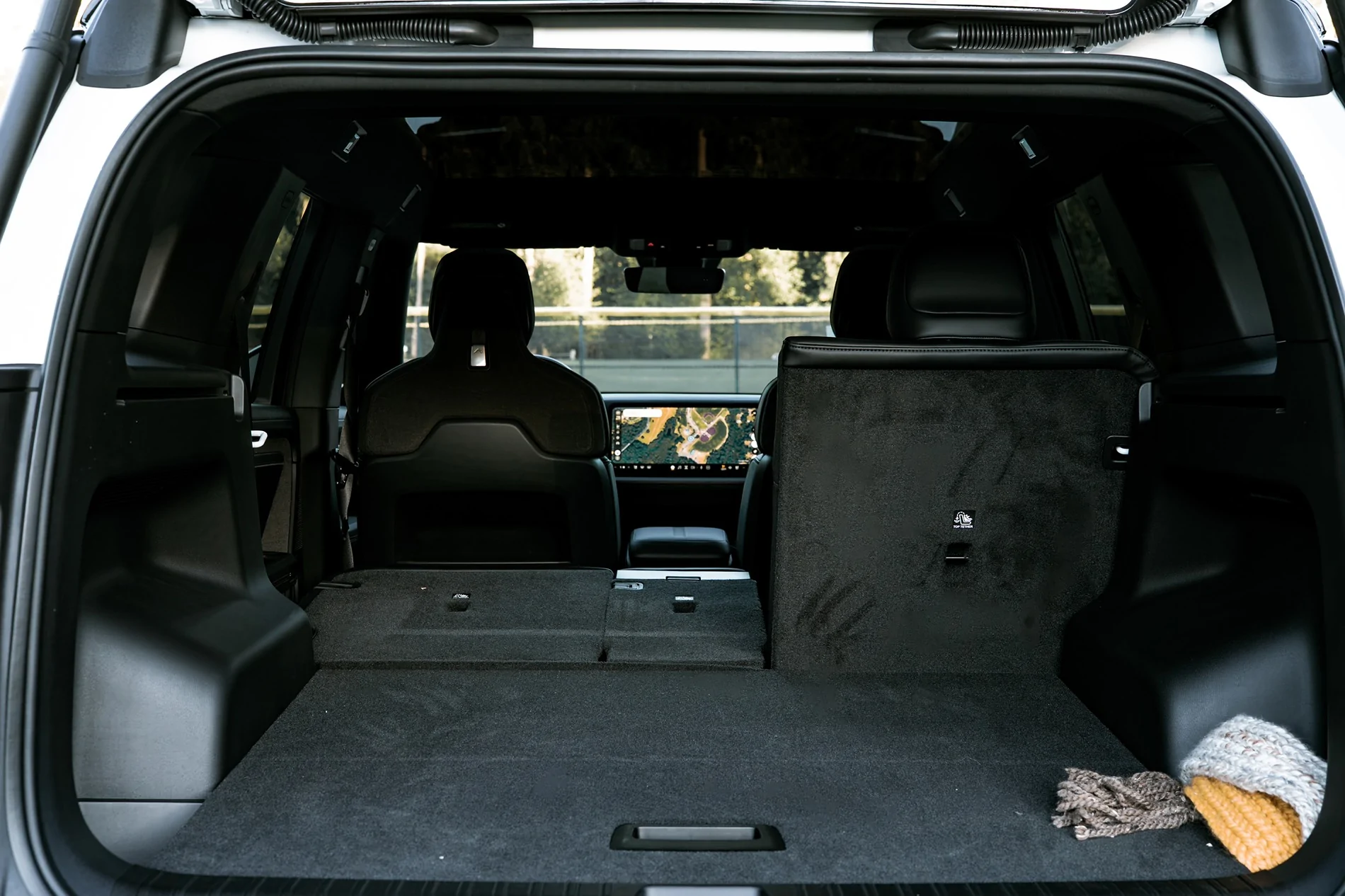
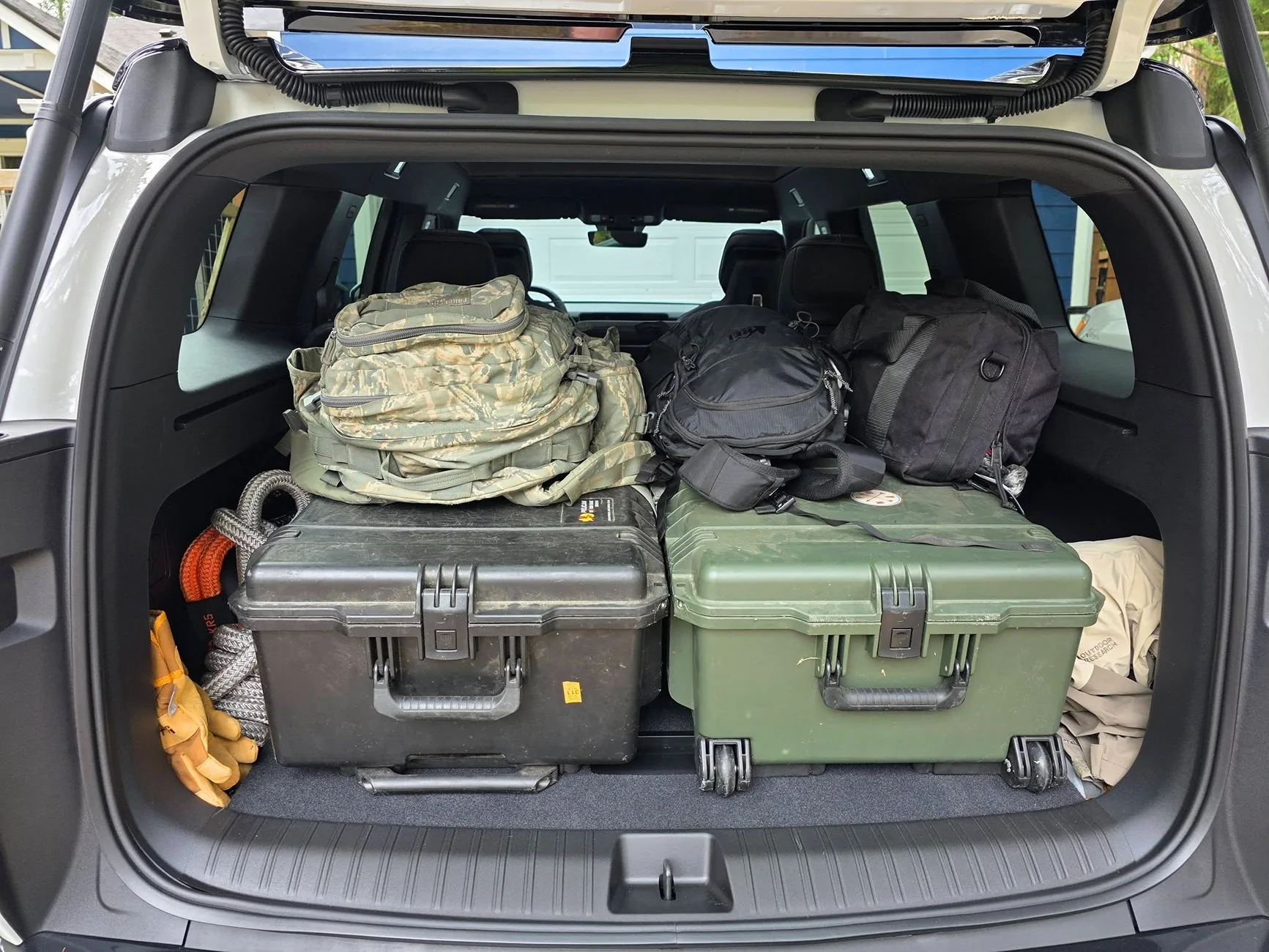
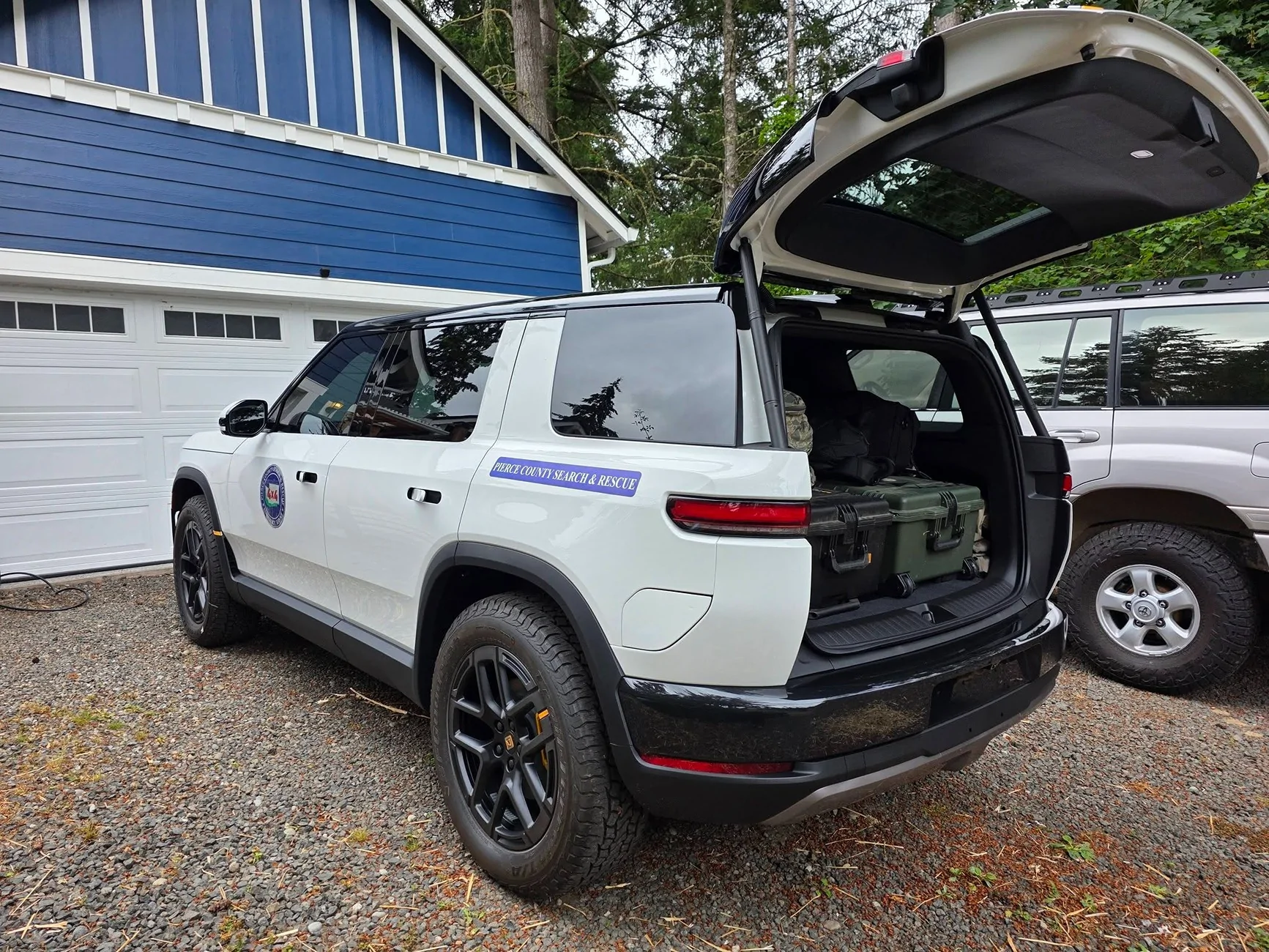
The best news so far is that the R2 can fit all of my search-and-rescue gear, including my Pelican cases, medical bags and recovery equipment. I still need to figure out the radio and power setup, and the radio may end up living in the glove box, but the usable cargo space is already proving better than I expected. The magnets also stick to the R2, unlike the R1T, which makes mounting temporary lights and equipment much easier. Until I finish testing and building out the complete setup, my Land Cruiser will remain my primary mission rig, but the R2 is showing that it may be far more capable than people assume.
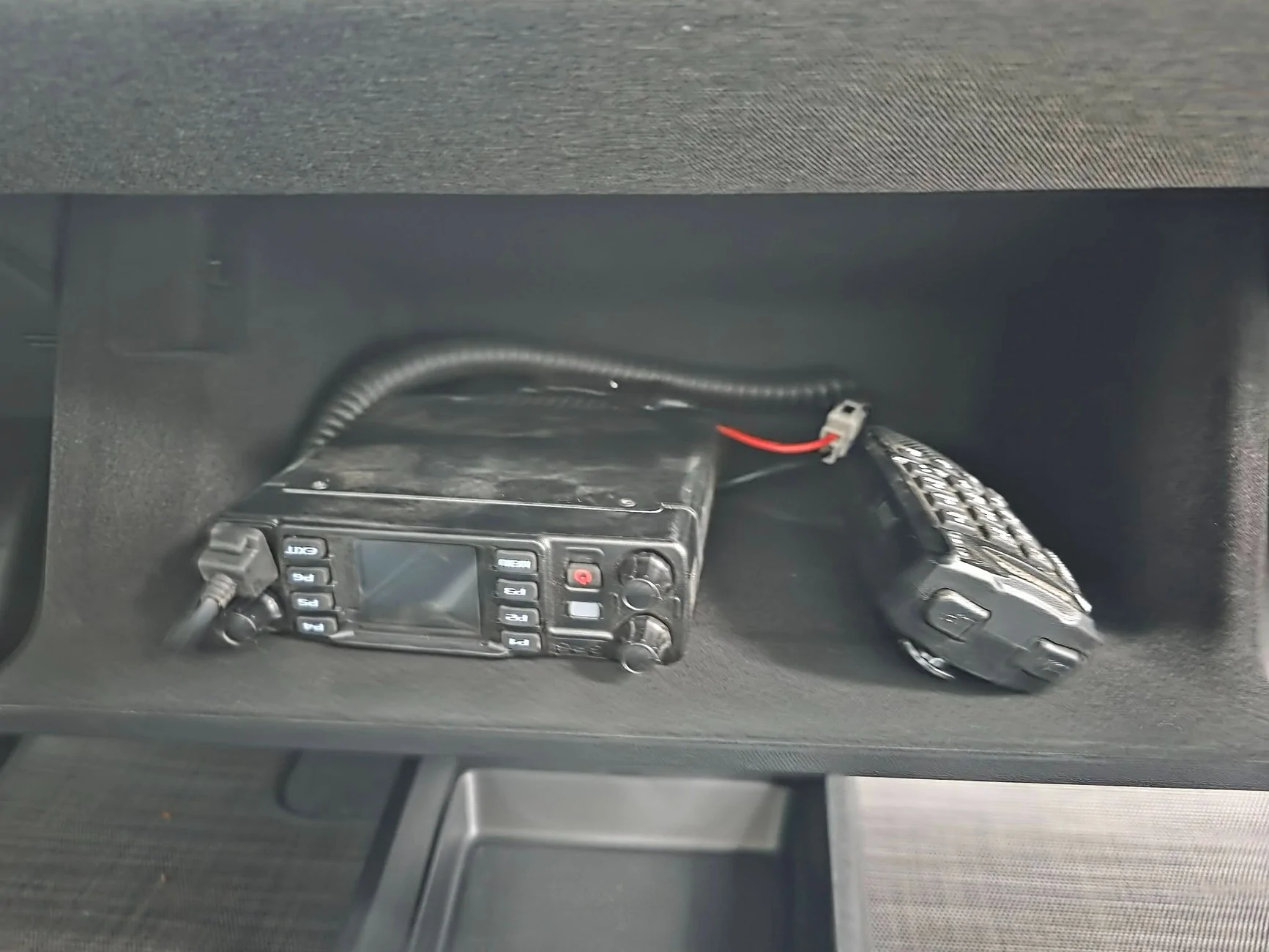
Hell yeah.
Sponsored