twvette
Well-Known Member
- First Name
- Todd
- Joined
- May 14, 2023
- Threads
- 8
- Messages
- 56
- Reaction score
- 149
- Location
- Phoenix, AZ
- Vehicles
- R1S
- Thread starter
- #1
Spoiler alert .......................................... mine was related to too much toe in! One full turn of tie rod out for more toe out and it is MUCH better.
Figured would start new thread on this but there are a few related posts out there. From day one on OEM and then aftermarket wheels and different tires have got a lot of steering wheel shake when going over minor road imperfections like pitted pavement or sections where they have sealed cracks. It physically shakes the steering wheel to the point it puts my arm to sleep on longer drives! On smooth pavement mine has ZERO shake so its not tires, wheels, balance, blah, blah. Even after doing test drive with Rivian tech said it was bad and he promised would try and find something to fix. In the end Rivian officially determine mine was "within spec" and then basically said they don't know what causes this on some of their vehicles and engineering still investigating.
I have experienced similar shake/feedback in dedicated off-road vehicles that have very sloppy steering racks. So, I initially though was likely due to a bad steering rack, but also had a theory that if there was too much toe out in the alignment that could cause a similar "loose" steering feel when hit surface imperfections.
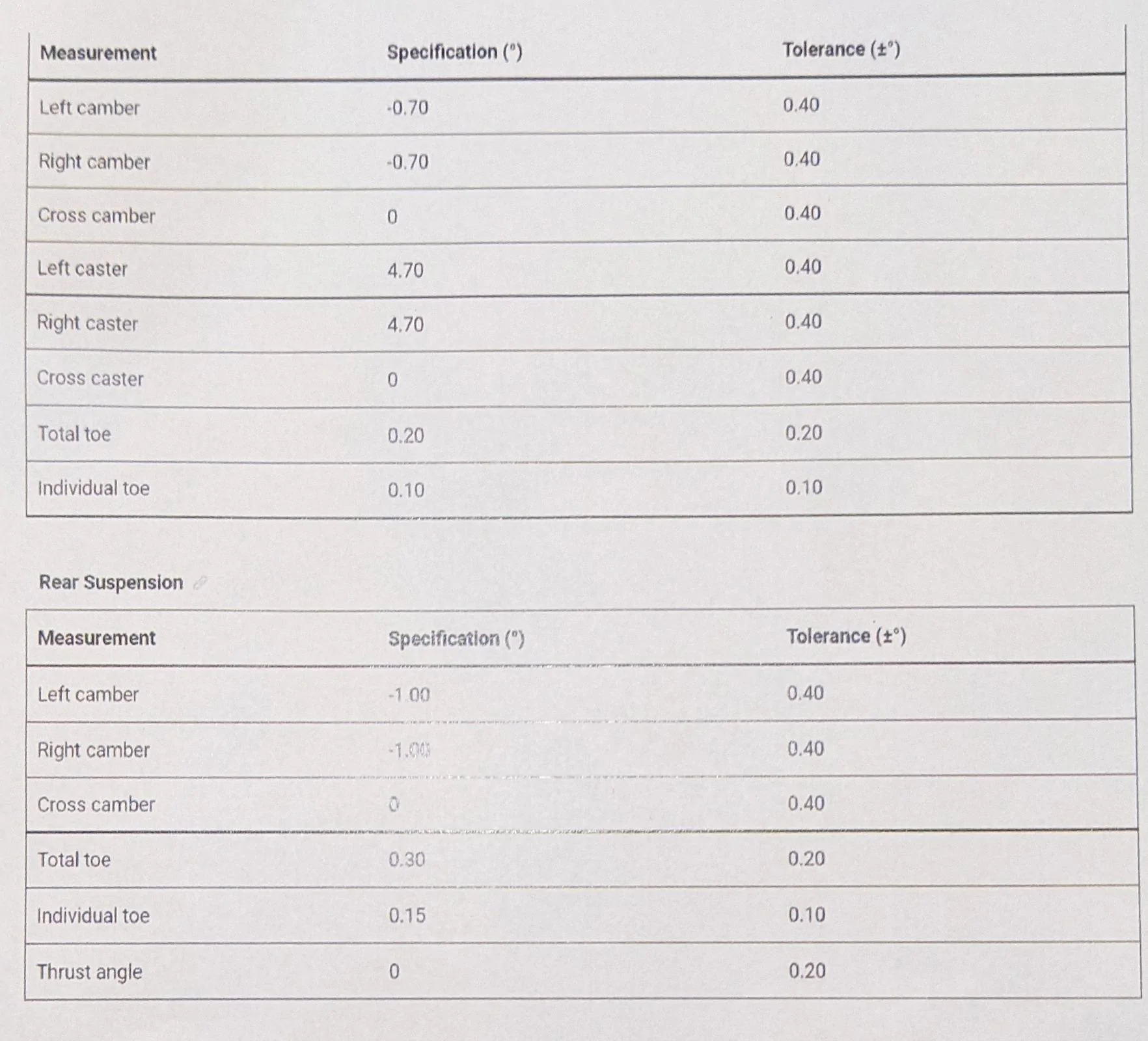
I installed a set of tie rod sleeves yesterday (further info here https://www.rivianforums.com/forum/threads/dhd-tie-rod-sleeve-install-and-info.28854/), so took the opportunity to test my above theory. On the install video for the sleeves noticed the guy mentioned found his tie rods were screwed in 19 turns. When I took mine out found it was 21.5 turns on driver and just shy of a full 22 turns on passenger side (the difference is basically where the threads start to engage). So basically ~3 turns difference between his and mine. This was suspicious to me so I certainly made note of this, but each vehicle can be a bit different. Went ahead and still tested my theory by adding another full turn to each to add more toe in with ~23 turns on each. Did controlled test drive on same roads and the shakes/feedback got WAY worse and were much more obvious at lower speeds too (even at 20mph). Knew I was on to something now, just my theory was backwards. So, backed them out two turns to give one less of where I originally was and thus now at ~21 turns for more toe out. Did same controlled drive and was MUCH better than ever. Steering still feels nice and firm, tracks perfectly, etc. It would be interested to see where I now fall within the alignment specs as perhaps I could do another turn or two for even better results. For now it is full send as not sure even the alignment spec can be trusted if it was aligned "properly" to start with. Seems with too much toe in the road surface feedback gets transmitted more to the steering wheel.
For those not scared to try something like this for a fix, it is very easy. Don't even need to lift vehicle in general (tires on smooth surface helps). 21 mm to break loose the outer end from the steering knuckle (use deep socket and breaker bar) and the jam nut (wrench on nut and hold rod end with another wrench ... its not torqued as much). Push tire out a little to give clearance to pull out the rod end from knuckle and give it one full turn out (makes it longer) and reinstall. If don't like the results just repeat to turn it back in one turn and then nothing has changed.
Figured would start new thread on this but there are a few related posts out there. From day one on OEM and then aftermarket wheels and different tires have got a lot of steering wheel shake when going over minor road imperfections like pitted pavement or sections where they have sealed cracks. It physically shakes the steering wheel to the point it puts my arm to sleep on longer drives! On smooth pavement mine has ZERO shake so its not tires, wheels, balance, blah, blah. Even after doing test drive with Rivian tech said it was bad and he promised would try and find something to fix. In the end Rivian officially determine mine was "within spec" and then basically said they don't know what causes this on some of their vehicles and engineering still investigating.
I have experienced similar shake/feedback in dedicated off-road vehicles that have very sloppy steering racks. So, I initially though was likely due to a bad steering rack, but also had a theory that if there was too much toe out in the alignment that could cause a similar "loose" steering feel when hit surface imperfections.
I installed a set of tie rod sleeves yesterday (further info here https://www.rivianforums.com/forum/threads/dhd-tie-rod-sleeve-install-and-info.28854/), so took the opportunity to test my above theory. On the install video for the sleeves noticed the guy mentioned found his tie rods were screwed in 19 turns. When I took mine out found it was 21.5 turns on driver and just shy of a full 22 turns on passenger side (the difference is basically where the threads start to engage). So basically ~3 turns difference between his and mine. This was suspicious to me so I certainly made note of this, but each vehicle can be a bit different. Went ahead and still tested my theory by adding another full turn to each to add more toe in with ~23 turns on each. Did controlled test drive on same roads and the shakes/feedback got WAY worse and were much more obvious at lower speeds too (even at 20mph). Knew I was on to something now, just my theory was backwards. So, backed them out two turns to give one less of where I originally was and thus now at ~21 turns for more toe out. Did same controlled drive and was MUCH better than ever. Steering still feels nice and firm, tracks perfectly, etc. It would be interested to see where I now fall within the alignment specs as perhaps I could do another turn or two for even better results. For now it is full send as not sure even the alignment spec can be trusted if it was aligned "properly" to start with. Seems with too much toe in the road surface feedback gets transmitted more to the steering wheel.
For those not scared to try something like this for a fix, it is very easy. Don't even need to lift vehicle in general (tires on smooth surface helps). 21 mm to break loose the outer end from the steering knuckle (use deep socket and breaker bar) and the jam nut (wrench on nut and hold rod end with another wrench ... its not torqued as much). Push tire out a little to give clearance to pull out the rod end from knuckle and give it one full turn out (makes it longer) and reinstall. If don't like the results just repeat to turn it back in one turn and then nothing has changed.
Sponsored
Last edited: