getut
Active Member
- Joined
- Mar 14, 2026
- Threads
- 2
- Messages
- 40
- Reaction score
- 39
- Location
- NC, USA, Earth
- Vehicles
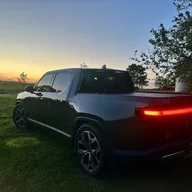
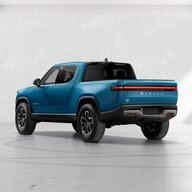
- equinox ev and hyundai santa cruz, shopping rivian
- Thread starter
- #76
These practices and the comfort of people who don't understand are why I think there has to be some pushback. I would never advocate for these things to be taken away, but I do think requiring any connected device from vacuums to vehicles to use cloud services as the only path needs to be corrected. I think the ability to lock out manufacturers from a thing you buy should be enshrined in regulatory protection. Meaning all devices should be forced to provide a local API FIRST, and then cloud services as an opt in only for people who don't want to bother setting up VPNs and everything so they can still control their equipment on the go. Buying a thing should never have to imply trust in the company. Privacy and security should also NEVER be just simply trust the company not to do things with your data. The ability for full technical lockout should always be an option for anyone that cares about security. For the Rivian that means either allowing a root level firewall app or not having the system flake out if you disable the 4G/5G and force it to go through a router/firewall completely under the owners control.You started with a "Nah" even though you didn't really argue against anything I said. You did list some fine exceptions, and examples where the law leans towards consumer's rights, which I agree with you on both. You also talked mostly about hardware, where I was focused on software, as that was core to your prior complaints.
There are laws that truly regulate hardware, mostly contract law and IP law. There are some areas of IP that do affect HW that you purchase. For example, you can remove the badging, but you might not be able to legally modify it in some ways that might weaken a trademark. You might purchase something under law or contract that prohibits or limits what you can modify or how you can or can't use or resell it, and these can be binding in court. A legal example is emissions equipment that cannot be tampered with. A contractual example is when I bought my Mach-e under a Ford X-plan contract, it limited how soon I could resell it to anyone other than back to an authorized Ford dealer (it could not be bought just to be resold). Warranties themselves are contractual limitations on what is and is not allowed in the way of usage or modification of the hardware and software, with loss of warranty aspects when violated. Yes, you can say it is your choice to void the warranty, but it is the same as paying additional value (loss of warranty coverage) for the right to change something you legally owned.
I still think the core of your arguments regarding what is wrong with EVs and connected vehicles and such are 1) primarily based on privacy issues and software practices, and 2) are really best regulated issues by strengthened privacy laws. The biggest problem trying to persuade business to change practices in these areas is that you (and I) are a very small minority of customers that either care to demand better practices, where most, even many who do care about these issues do not care enough to give up the benefits they perceive coming from the practices. For example, capturing driving data is a huge violation of privacy, but it is also quite necessary to improve the vehicle, especially for safer and more accurate and more comfortable autonomy. Most people do not adequately value their privacy.
To respond more to the mileage question and the people that have asked me about that. I already own an EV so I am aware of the usage of them. I am using rated mileage as the issue and here is the statement I made in another thread that may make this clearer:
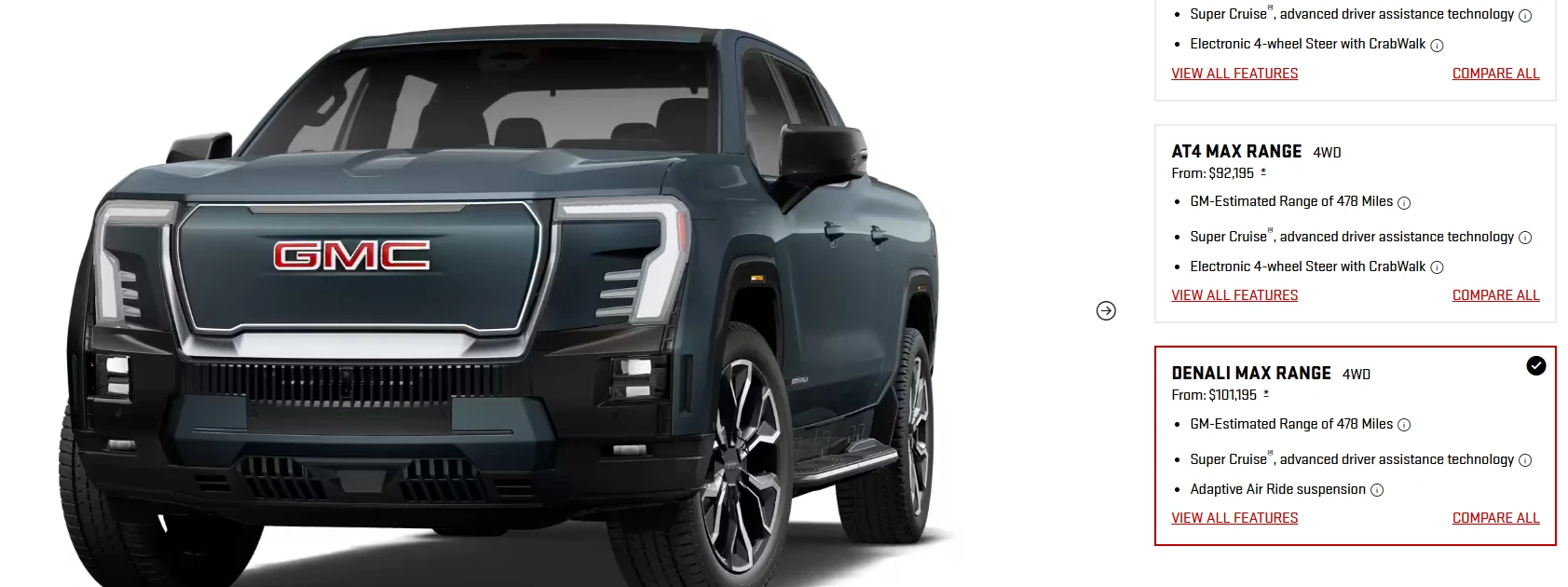
I think 300'ish miles is good for a car, but not for a pickup truck. Heck I just bought an equinox EV that is rated for 318 miles and it gets very close to that without even having to work at it. I'm also shopping between Rivian and the Silverado EV. But for trucks that are used as trucks for real work, I think a solid 400 mile rating with a full battery is the absolute bare minimum. Not because I use 400 miles in optimal conditions, but because I need the range boost in NON-optimal conditions. 400 miles with just me my family and luggage is more than I can sit in the truck. BUT when you consider possibly worst case conditions with 10 years of age on the battery (I keep vehicles forever), super cold weather while possibly also towing, then vehicles that are in the 300 mile or less range would almost have to be recharged just getting out of my driveway. So stated another way, I consider 175 miles the absolute least mileage I will live with under ANY conditions or usage scenario.
I don't want the size of the silverado, but I'm just not getting a warm squishy that Rivian's can reach the rated 420 miles unless you are working your arse off hypermiling while also getting "lucky" and getting stuck in slow traffic. GM seems to a MUCH better job with their EPA ratings and reaching EPA while at constant 70MPH highway speeds is easy and takes no effort beyond "just drive". I just posted a welcome in main thread yesterday voicing some of those questions. I was really hoping people would chime in, especially on the mileage aspect and tell me they were getting vastly different results than what I have read.. but that didn't happen. People are confirming 420 is very difficult to reach in the rivians that are rated for it.
Sponsored